top M&E Maintenance Solutions
A failed HVAC system can stop a commercial building earning money. The cost goes beyond the repair invoice: lost trading hours, uncomfortable conditions, tenant complaints, damaged stock and pressure to demonstrate compliance. For facility managers and commercial landlords, selecting a maintenance partner is a business decision because building reliability affects revenue, safety and asset value.
Key Takeaways
- A failed HVAC system can stop a commercial building earning money.
- The cost goes beyond the repair invoice: lost trading hours, uncomfortable conditions, tenant complaints, damaged stock and pressure to demonstrate compliance.
- For facility managers and commercial landlords, selecting a maintenance partner is a business decision because building reliability affects revenue, safety and asset value.
PPM gives you more control over those risks. Waiting for equipment to fail can increase repair costs, disrupt occupants and leave less time to make a sound engineering decision. At MEMS, we see maintenance as a way to protect the building before an avoidable fault becomes an operational problem.
What are M&E maintenance solutions?
M&E stands for mechanical and electrical maintenance. In a commercial building, the mechanical side can include heating, ventilation, air conditioning, pumps, controls and associated plant. Electrical work may include power distribution, lighting and related building services. M&E maintenance services focus on keeping these assets safe, functional and suitable for the building’s use.
A sound plan starts with an asset register and a risk-based schedule. The register identifies each asset, its location, condition, age and service requirements. The schedule then sets out inspections, condition checks, fault diagnosis and traceable records. Digital monitoring can provide useful evidence, but it does not replace an engineer’s judgement during a site inspection.
What are the benefits of planned M&E maintenance?

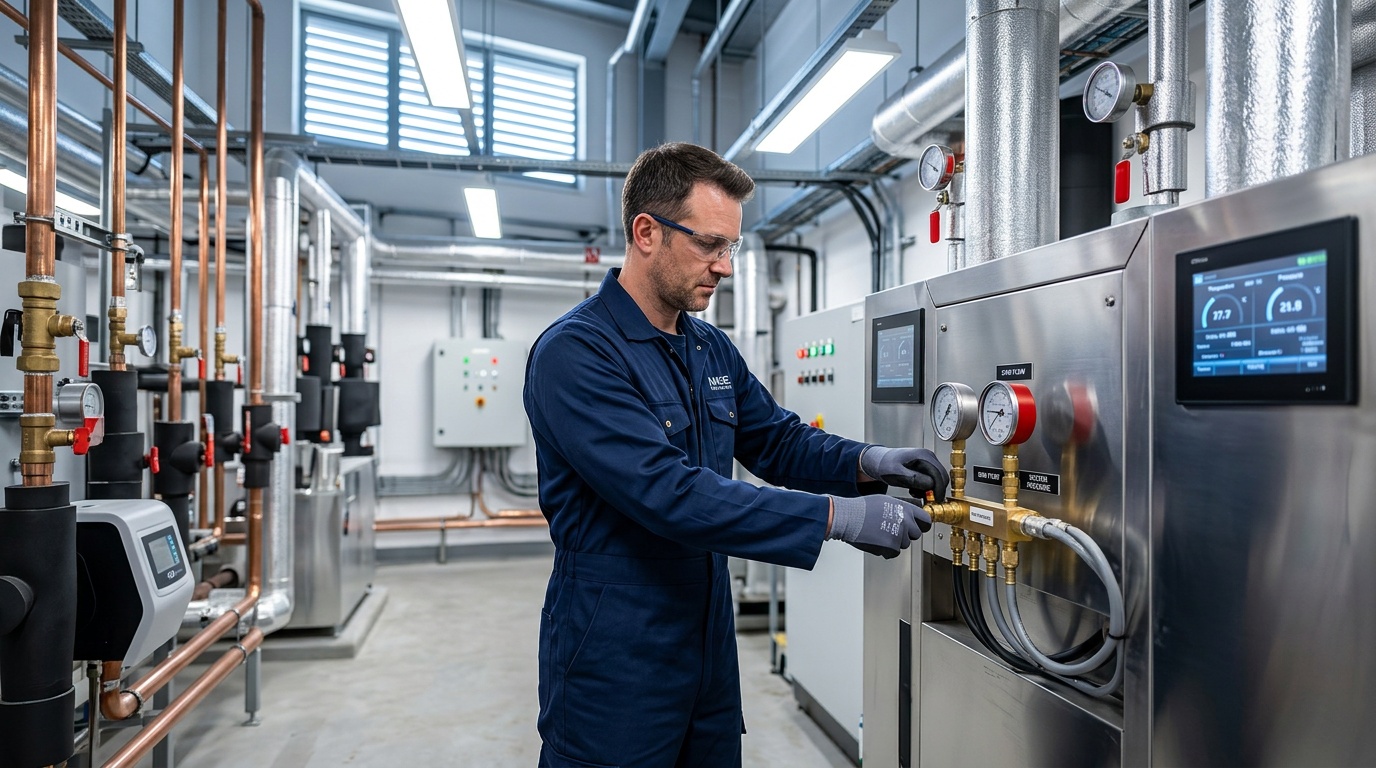
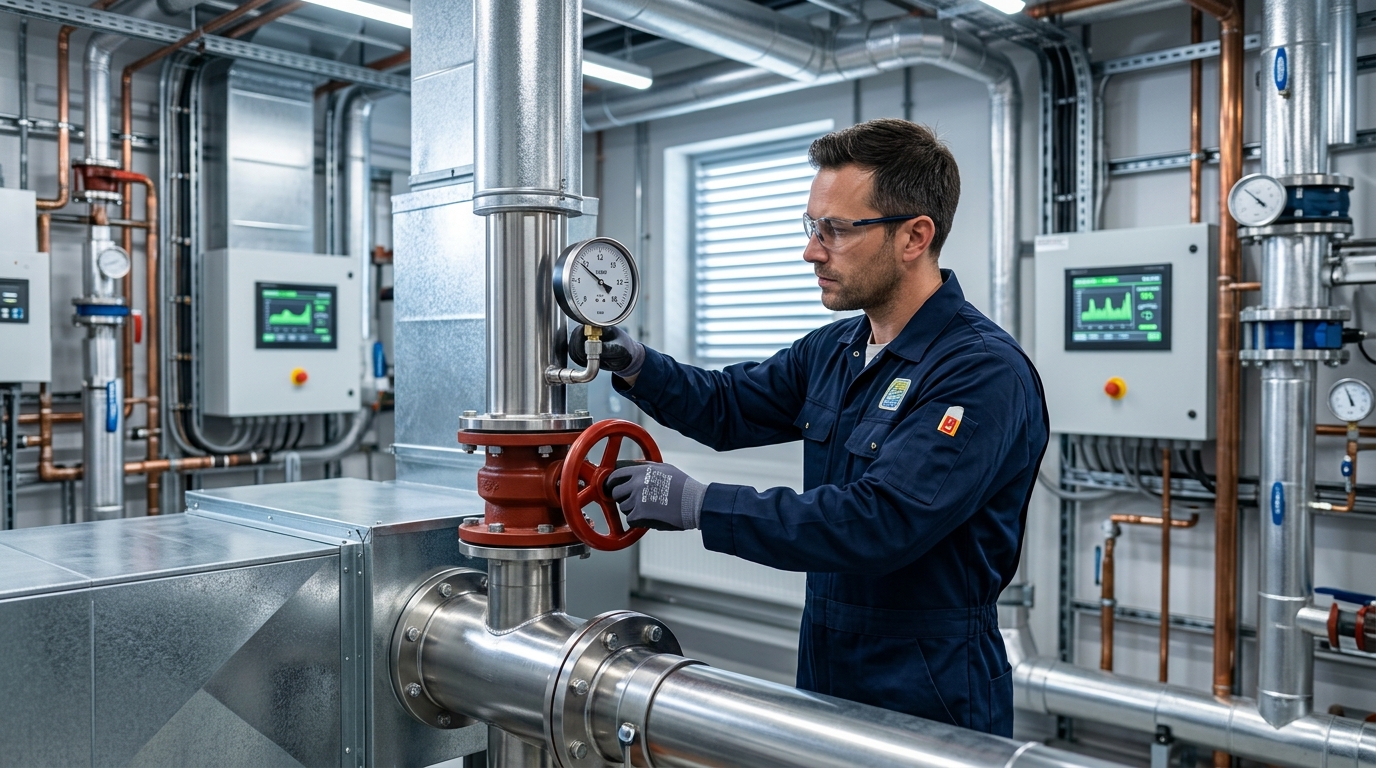
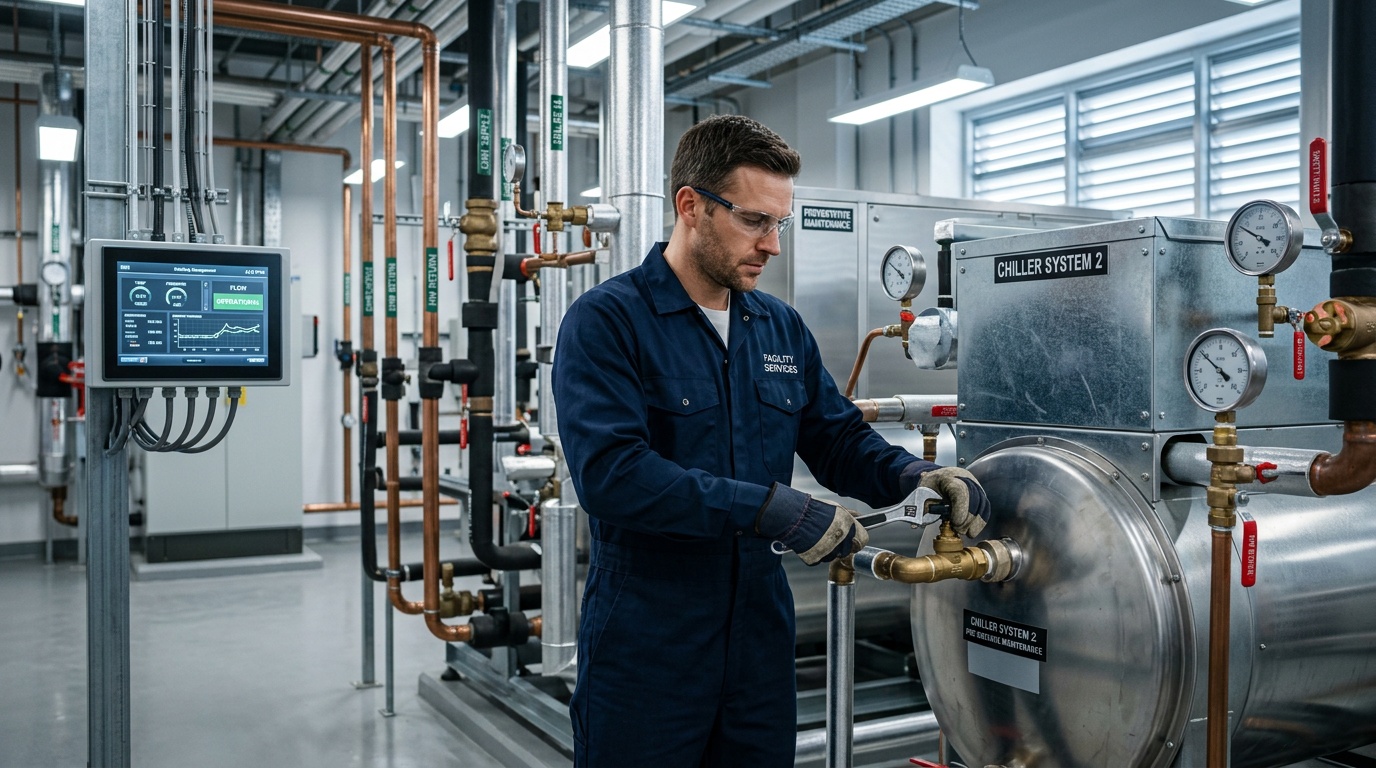


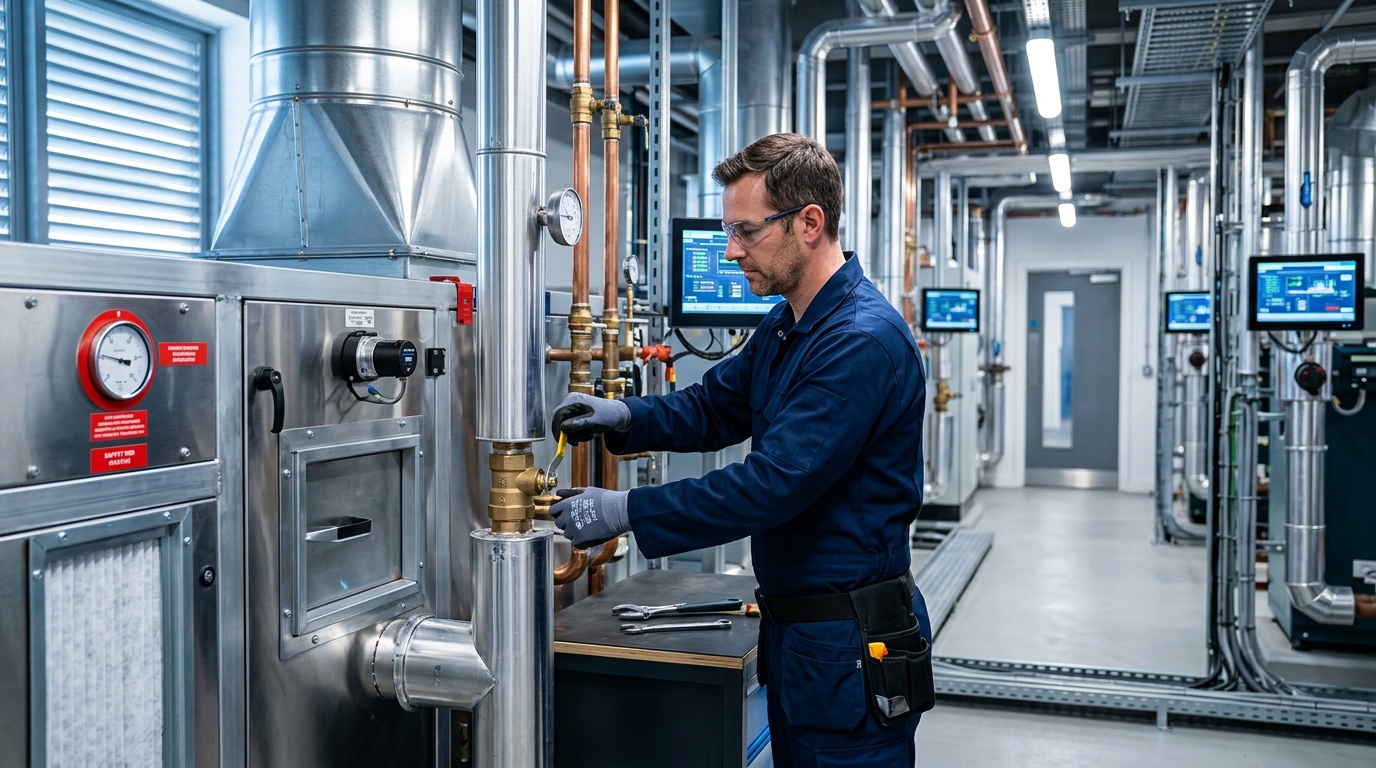
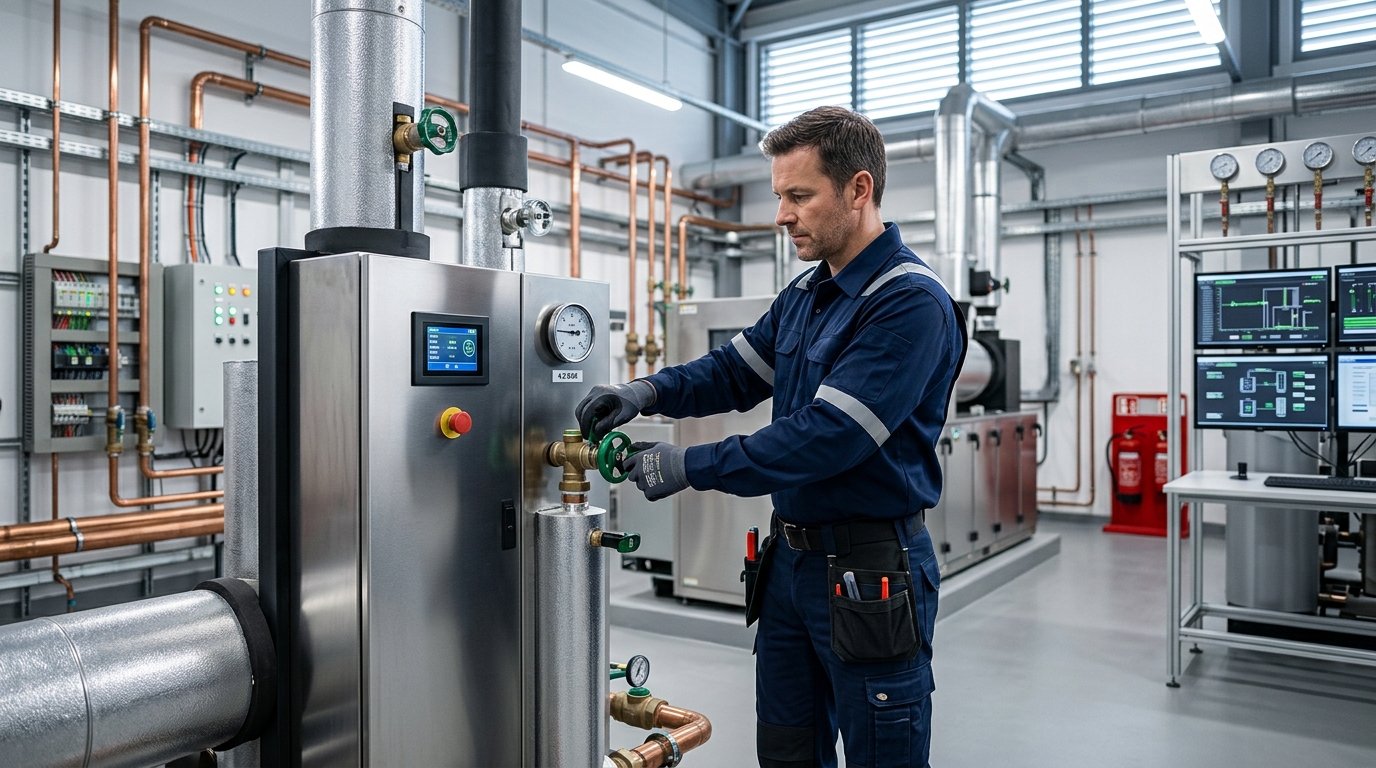

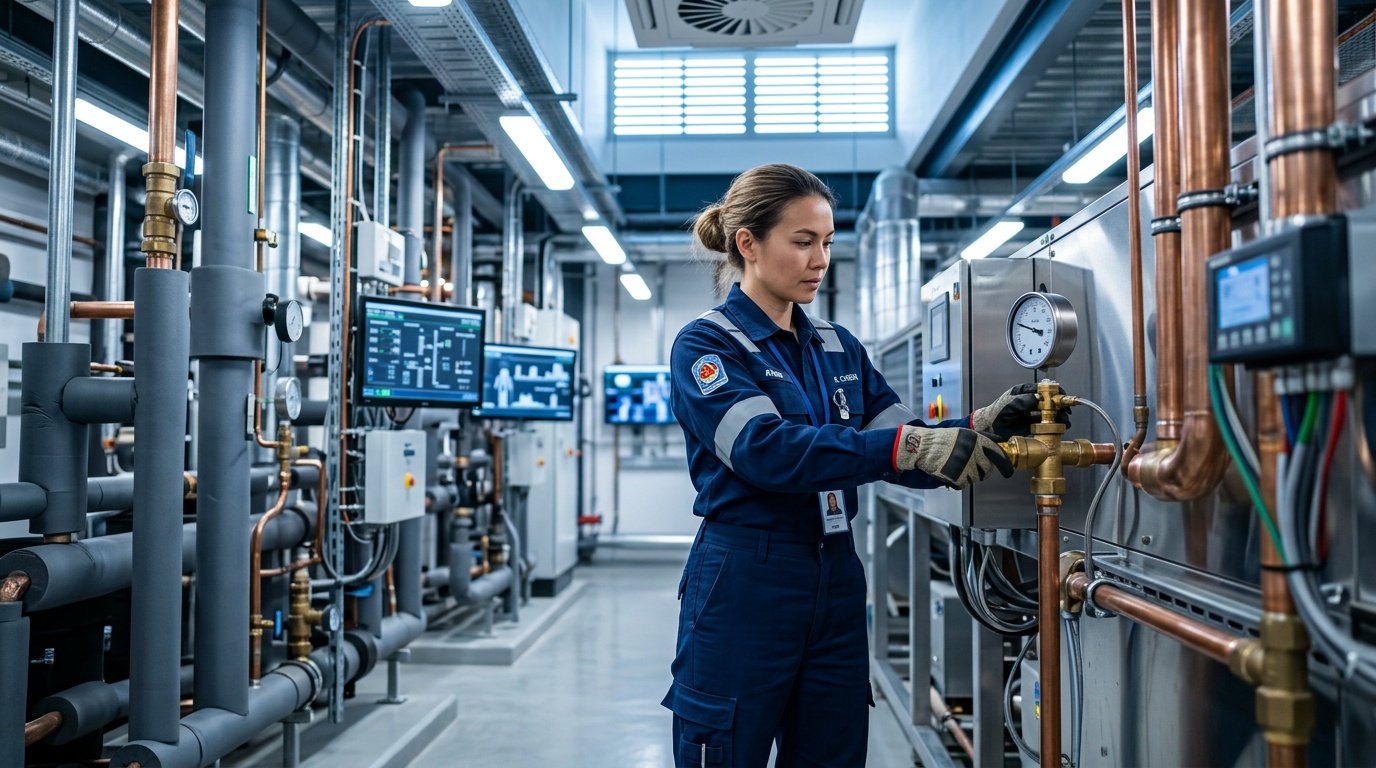


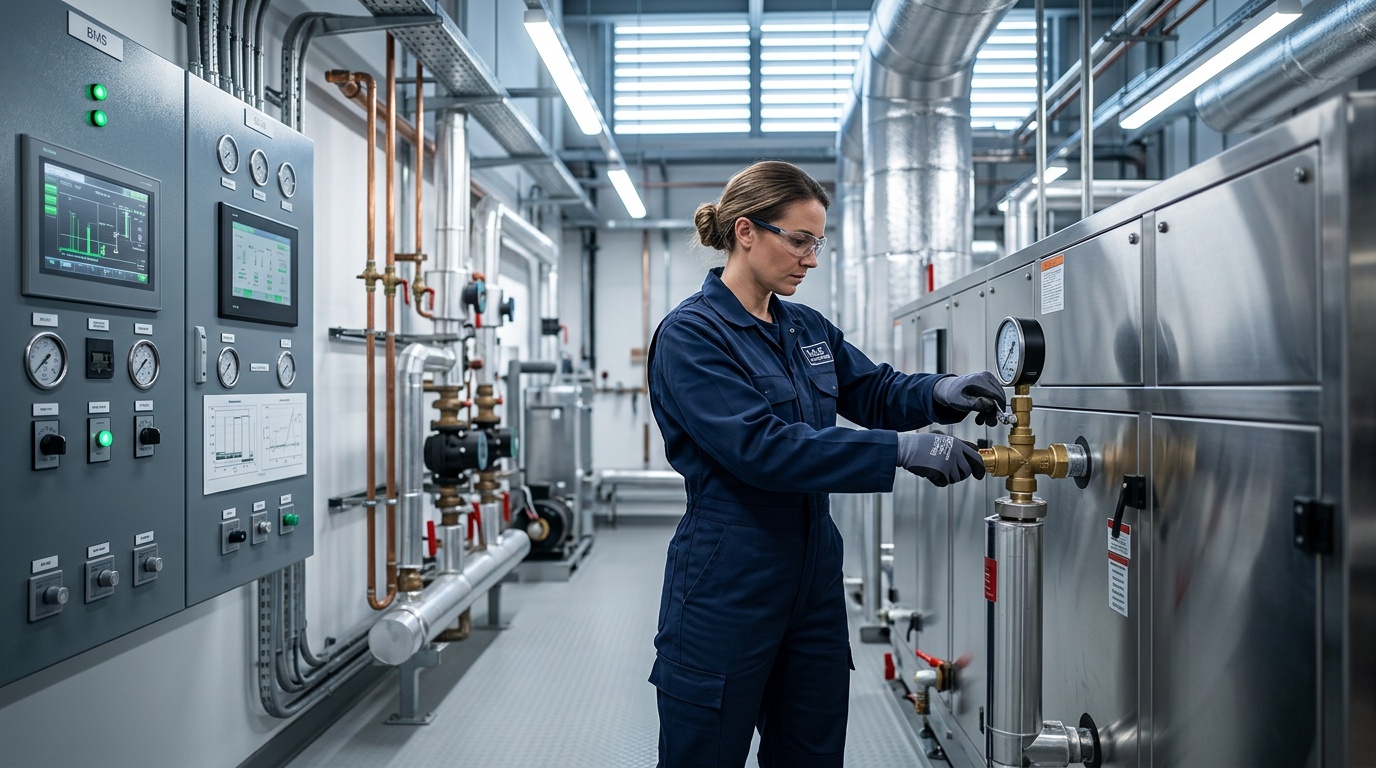

Planned maintenance can improve continuity by finding faults before they become outages. Energy performance also depends on the condition and settings of plant: a poorly adjusted system may run longer than necessary or fail to maintain comfortable conditions. Renewable energy solutions may reduce demand where they suit the building and its occupancy, but installed technology still needs inspection and sensible operation.
Consistent records make compliance easier to demonstrate. They show what was inspected, which defects were found, what action was recommended and who authorised any remedial work. That information supports better budget decisions and helps protect asset life.
How should you choose an M&E maintenance provider?
Choose a provider by testing its engineering process, response arrangements and understanding of commercial risk, not by comparing hourly rates alone. Start with the building’s age, occupancy, critical areas, energy use, access restrictions and the consequences of losing heating, cooling or ventilation.
Ask for a site survey before accepting a proposal. The resulting asset register should record equipment type, location, age, condition, manufacturer guidance and service requirements. A provider that cannot explain what it is maintaining is working from guesswork.
Check technical competence and compliance
Confirm that people working on your HVAC systems have relevant qualifications and that the provider can supply evidence for completed work. Ask how statutory checks, defects, quotations and remedial work are recorded. Maintenance should follow the relevant manufacturer instructions, legal duties and agreed SFG20 task requirements where applicable.
Compare maintenance provider capability
Compare providers against emergency access, engineer availability, reporting quality, PPM detail and their understanding of downtime. Ask who will attend outside normal hours and how the escalation process works. An M&E HVAC compliance health check can help identify gaps in documentation, statutory responsibilities and asset condition.
Assess service model and commercial fit
Read the contract before signing. Confirm what each planned visit includes, which parts are excluded, how remedial work is authorised and whether out-of-hours charges apply. Refer to the guidance on statutory checks when defining responsibilities and service requirements.
Ask one more question: will you deal with the same team often enough for them to learn the building? Continuity matters. An engineer who understands the site’s recurring faults can often spot a developing problem before it becomes an emergency.
References
- HSE ventilation guidance
- HSE HSG274 guidance
- HSE electrical safety FAQs
Frequently Asked Questions
What does M&E stand for in building maintenance?
M&E stands for mechanical and electrical. Mechanical systems can include heating, ventilation, air conditioning, pumps, controls and associated plant.
What services are included in M&E maintenance solutions?
Services depend on the provider and building assets. They may include commercial HVAC maintenance, heating, ventilation, air conditioning and associated plant. Commercial HVAC services should be scoped against the site’s equipment and risks.
How do I choose the best M&E maintenance provider?
Start with a site survey and asset register. Check qualifications, sample reports, planned maintenance schedules, emergency response terms and evidence of completed work.
What is the difference between PPM and reactive maintenance?
PPM involves scheduled inspections, servicing, cleaning, testing and replacement of wear components before failure. Reactive maintenance begins after equipment has failed or performance has deteriorated.
"