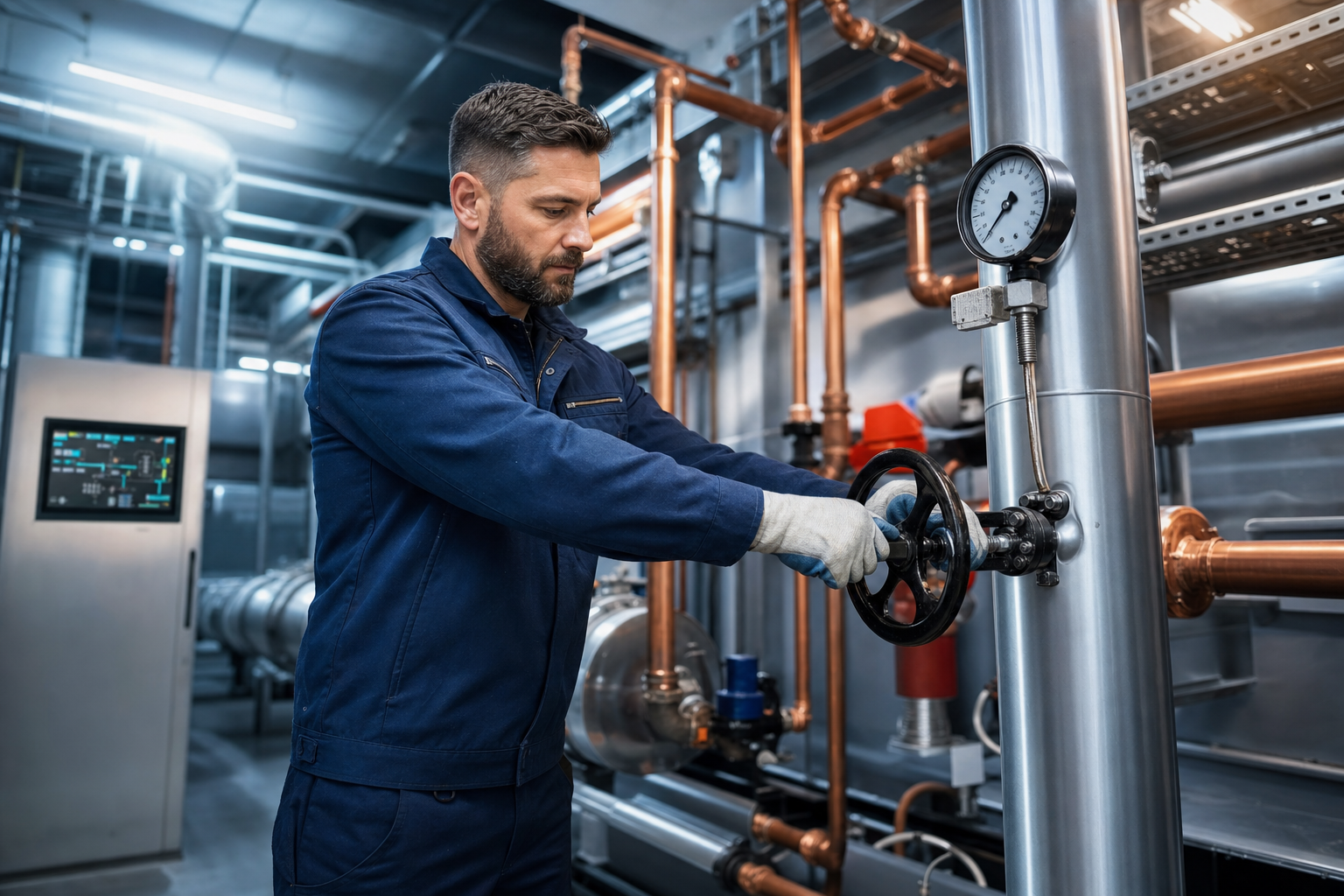
typhoo tea factory birmingham
The story of the typhoo tea factory birmingham is more than just a chapter in the city's industrial history; it is a narrative woven into the fabric of British daily life. For decades, the distinctive aroma of tea processing filled the air in Digbeth, a testament to innovation and enterprise. As the founder of MEMS Facilities Maintenance, I have spent over two decades understanding the lifecycle of commercial buildings. How they are built, how they operate, and how they evolve. From the boiler room to the boardroom, I know that every structure has a story, and its mechanical heart beats with commercial consequence. The transformation of the former Typhoo site into the new BBC Birmingham headquarters is a prime example of this evolution, presenting a unique set of challenges and opportunities that I am keen to discuss from an engineering and facilities management perspective.
Key Takeaways
- The Typhoo Tea Factory in Digbeth represents a significant piece of Birmingham's industrial heritage that shaped British daily life for generations.
- Repurposing a historic tea processing facility into a modern BBC headquarters demands careful consideration of both engineering constraints and commercial objectives.
- Every commercial building carries a mechanical heartbeat that determines how it functions, adapts, and delivers value over its lifecycle.
- The conversion of former industrial sites into contemporary media spaces highlights the growing need for specialised facilities management expertise in Birmingham's ongoing regeneration.
When a company like Typhoo, a household name synonymous with quality tea, leaves a landmark site, it raises questions. What was the history? Why did it move? And what does the future hold for such a significant industrial space? These are not just nostalgic queries; they touch upon commercial viability, urban development, and the enduring legacy of British industry. Understanding the engineering and logistical realities behind such transitions is where my expertise lies. It is about looking beyond the bricks and mortar to the systems within, and how those systems adapt to new purposes.
From Tea Leaves to Broadcasting: The History of the Typhoo Factory in Birmingham
The Digbeth Origins: John Sumner Jr. and the 1903 Founding
The journey of Typhoo Tea began right here in Birmingham, a city known for its manufacturing prowess. In 1903, John Sumner Jr., a local grocer, launched the brand. His vision was to create a high-quality tea that was accessible to everyone, and he established his operations in the Digbeth area. This was a time of significant industrial growth, and Birmingham provided fertile ground for businesses aiming to innovate and expand. The choice of Digbeth was not accidental; its proximity to transport links and skilled labour made it an ideal location for a burgeoning food production enterprise. This early period laid the groundwork for what would become a national institution.
The Golden Era: 1926 to 1978 at the Bordesley Street Factory
The iconic Typhoo factory, particularly the building on Bordesley Street, became synonymous with the brand's identity for over fifty years. From 1926, this site was the heart of Typhoo's operations, witnessing significant milestones. It was here that Typhoo embraced modern manufacturing techniques and introduced innovations that would shape the tea industry. Perhaps one of the most significant developments was the introduction of tea bags in 1967, a move that revolutionised how people consumed tea across the United Kingdom. The factory itself was a hub of activity, employing hundreds of people and contributing substantially to the local Birmingham economy. Its presence was a constant reminder of the city's industrial heritage and its capacity for producing goods enjoyed nationwide.
Historical Timeline of Typhoo in Birmingham
- 1903: John Sumner Jr. launches Typhoo Tea in Birmingham.
- 1926: Operations expand significantly, establishing a major presence on Bordesley Street.
- 1967: Typhoo pioneers the introduction of tea bags to the UK market from its Birmingham factory.
- 1978: Production ceases at the Birmingham site, relocating to the Wirral.
Why Typhoo Relocated Operations to the Wirral in 1978
The decision to move production from the well-established Birmingham site was a complex commercial one, driven by evolving industrial needs and economic considerations. By 1978, the manufacturing environment had changed. Factors such as the availability of larger, more modern facilities, logistical efficiencies, and potentially changing labour costs likely played a significant role. The Bordesley Street factory, while iconic, may have faced limitations in terms of expansion or the implementation of the latest automated production technologies required to stay competitive in the global market. Relocating to Moreton in the Wirral provided Typhoo with the space and infrastructure needed to modernise its operations and scale up production to meet continued national demand. This move marked the end of an era for the Birmingham factory but was a strategic step for the company's future growth.
Understanding historical site usage is key when considering repurposing. The operational requirements of a tea factory. From steam generation to bulk ingredient handling. Differ vastly from modern office or broadcast facilities. This legacy of industrial engineering presents unique challenges during redevelopment.
Engineering the Future: The Mechanical and Electrical Realities of Repurposing the Typhoo Site
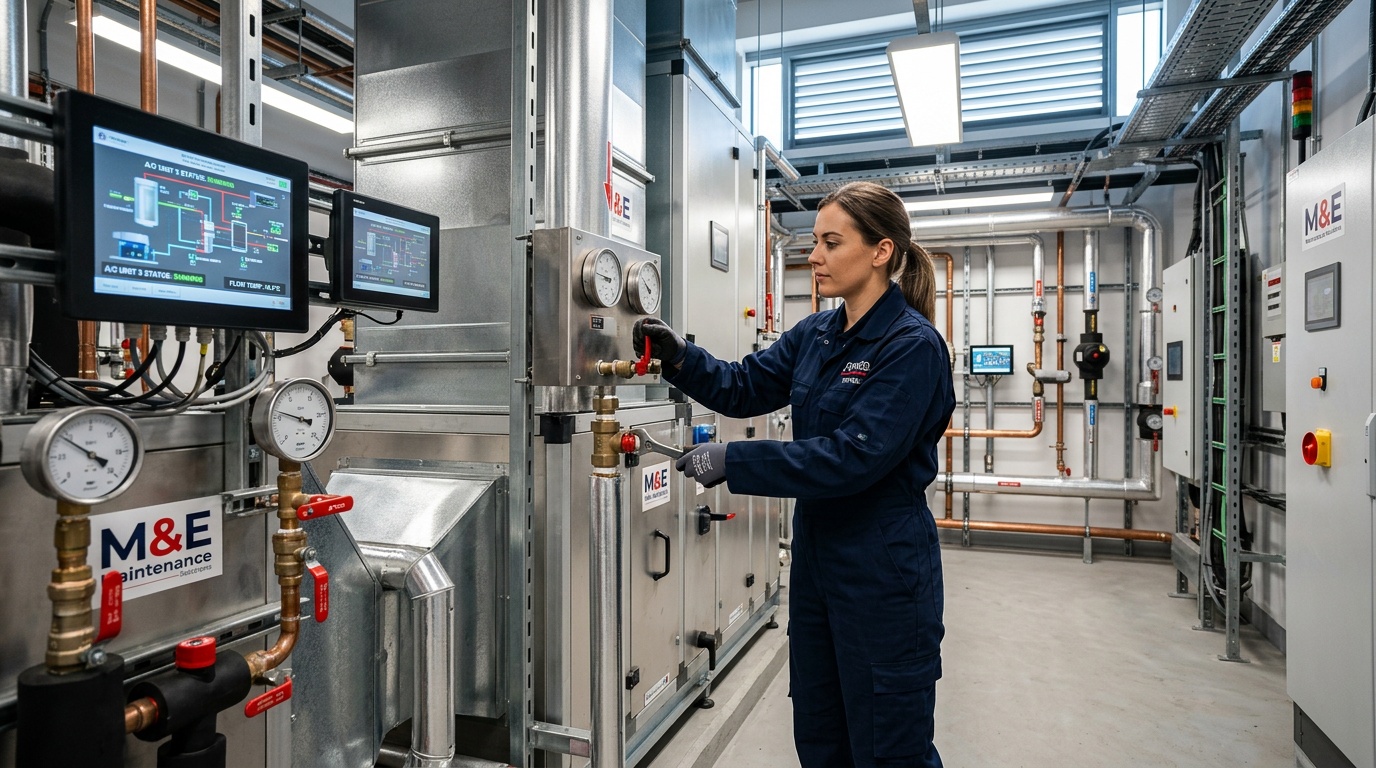
The BBC Birmingham Masterplan: Transforming a Factory into a Broadcasting Hub
The former Typhoo factory site in Digbeth, Birmingham, has been reimagined as the new home for BBC Birmingham. This ambitious masterplan involves converting a substantial industrial footprint, approximately 7,804 m², into a state-of-the-art broadcasting centre. This transformation requires a complete overhaul of the building's infrastructure. The goal is not merely cosmetic; it is about creating a high-specification environment capable of supporting complex media operations. This includes advanced IT networks, soundproofed studios, editing suites, and office spaces, all designed to meet the rigorous demands of modern broadcasting. The project signifies a significant investment in Birmingham's creative industries and the regeneration of the Digbeth area.
Upgrading Legacy Assets: The Hidden Commercial Challenges
Transitioning an old manufacturing site like the Typhoo factory into a modern broadcasting facility presents considerable engineering and commercial hurdles. Legacy industrial buildings often contain outdated mechanical and electrical (M&E) systems that are no longer fit for purpose. Upgrading these requires careful planning and significant investment. Issues such as asbestos removal, inadequate structural support for new equipment, and the complete re-routing of power and data cabling are common. Additionally, ensuring compliance with current building regulations for fire safety, accessibility, and energy efficiency adds another layer of complexity. From an M&E perspective, the challenge lies in integrating new, high-demand systems. Particularly for climate control and power. Into a structure not originally designed for them, all while managing the costs and minimising disruption.
Key Redevelopment Statistics for the Former Typhoo Site (now BBC Birmingham HQ)
- Total Area: 7,804 m²
- Sustainability Features: Planned 750 m² of solar panels
- Electric Vehicle Support: 16 EV charging points
- Net-Zero Target: Designed to achieve net-zero carbon emissions
Sustainable Redevelopment: Achieving Net-Zero in Historic Conversions
A critical aspect of modern commercial property development, especially in historic or repurposed sites, is sustainability. The redevelopment of the Typhoo factory site into the new BBC Birmingham headquarters is explicitly aiming for net-zero carbon emissions. This ambitious target necessitates a comprehensive strategy for M&E design and installation. Key strategies include maximising energy efficiency through advanced insulation, high-performance glazing, and intelligent HVAC systems designed for minimal energy draw. The integration of renewable energy sources, such as the planned 750 m² of solar panels, is fundamental. Additionally, incorporating infrastructure for electric vehicles, like the 16 EV charging points, supports wider environmental goals. For facility managers, achieving net-zero in a retrofitted building requires meticulous attention to energy consumption, waste management, and the lifecycle of all installed systems, turning an old industrial plant into a forward-thinking, ecologically responsible commercial space.
When repurposing legacy sites, especially for sensitive uses like broadcasting, the reliability of M&E systems is paramount. Downtime due to equipment failure is not just an inconvenience; it directly impacts revenue and reputation. Proactive maintenance and intelligent system design are not optional extras. They are commercial necessities.
Modern Tea Production: How Typhoo Operates Today
Inside the Wirral Manufacturing Facility
Since relocating production from Birmingham in 1978, Typhoo has operated its manufacturing from a modern facility in Moreton, Wirral. This site is purpose-built for high-volume tea processing, allowing the brand to maintain consistent quality while scaling output to meet contemporary demand. The factory integrates automated blending and packaging lines designed for efficiency and hygiene, features unavailable in the original Birmingham factory. Advanced machinery handles everything from leaf sorting to bagging, significantly reducing manual handling risks and improving output reliability.
These improvements are not just technical upgrades; they carry commercial weight. Automation minimises downtime and reduces labour costs while meeting stringent food safety standards. The Wirral facility supports continuous production cycles, essential for meeting national retail orders, including large supermarket chains like Tesco. This setup ensures Typhoo’s supply chain remains resilient and responsive, protecting both revenue and brand reputation.
Maintaining Compliance in Modern Food and Beverage Facilities
Operating a food and beverage manufacturing site today involves rigorous adherence to compliance standards, far beyond what was required during the typhoo tea factory birmingham era. The Wirral facility must comply with a range of statutory regulations, including hygiene standards enforced by the Food Standards Agency and environmental controls governed by REFCOM for refrigeration systems. These frameworks ensure that all equipment is maintained to prevent contamination risks and energy inefficiencies.
From a facilities management perspective, this means implementing a Planned Preventative Maintenance (PPM) programme that aligns with SFG20 standards. Regular servicing of HVAC units, chillers, and steam boilers is mandatory to avoid unexpected breakdowns that could halt production. Given the highly sensitive nature of tea processing, even minor equipment failures can lead to downtime and costly product recalls. Consequently, the integration of digital compliance tracking and certification management is essential to demonstrate due diligence and legal conformity.
Ethical Sourcing and FSC-Certified Packaging Standards
Sustainability is a cornerstone of Typhoo’s current operations. The company is a member of the Ethical Tea Partnership, sourcing tea leaves from Rainforest Alliance Certified gardens to ensure fair labour practices and environmental stewardship. This commitment protects supply chain integrity and aligns with consumers increasingly mindful of ethical production.
Packaging is another aspect where Typhoo aligns with modern environmental expectations. The boxes and tea bags use FSC-certified materials, guaranteeing that the paper products come from responsibly managed forests. Moreover, Typhoo tea packaging is recyclable, supporting waste reduction efforts. For facility managers and procurement teams, these sustainability credentials are critical when evaluating the brand for corporate hospitality or retail partnerships.
Modern Operations Compliance Checklist
Key Compliance and Operational Features
- Automated blending and packaging lines for hygiene and efficiency
- Strict adherence to Food Standards Agency hygiene regulations
- REFCOM-certified refrigeration system maintenance
- PPM programmes aligned with SFG20 maintenance standards
- Ethical Tea Partnership membership for responsible sourcing
- FSC-certified, recyclable packaging materials
- Digital compliance tracking for audit readiness
Operational Challenges
- High capital investment required for modern equipment maintenance
- Complex supply chain requiring ongoing sustainability audits
- Risk of production disruption from stringent compliance demands
- Continuous training needed to keep staff updated on hygiene protocols
Buying Typhoo Tea: Product Ranges and Availability in 2026
For many across the UK, Typhoo tea is more than just a beverage; it is a daily ritual, a comforting presence. Understanding where to source your preferred Typhoo products ensures that this simple pleasure remains readily accessible. While the original typhoo tea factory birmingham is now a landmark of industrial history, the brand continues to thrive, with its products widely available. Modern consumers expect convenience, and Typhoo delivers through various retail channels, making it simple to keep your cupboards stocked.
The commercial strategy behind Typhoo's availability focuses on broad distribution. This means you are likely to find your favourite Typhoo teas in major supermarkets, local convenience stores, and online retailers. The brand has cultivated strong relationships with key stockists, ensuring a consistent presence on shelves, which is paramount for customer satisfaction and brand loyalty. For those who prefer shopping from home or need to compare options quickly, online platforms offer a comprehensive selection, often with delivery straight to your door.
Where to Buy Typhoo: Tesco, Retailers, and Online Stockists
When looking to purchase Typhoo tea, major UK supermarkets are your primary port of call. Tesco, such as, stocks a wide variety of Typhoo products, from classic blends to more specialised offerings. You can typically find Typhoo tea bags, loose leaf varieties, and even gift sets within their extensive grocery aisles or via the Tesco online store. This accessibility through large retailers like Tesco is a testament to Typhoo's enduring popularity and its commitment to being a staple in British households.
Beyond the major supermarket chains, numerous other retailers carry Typhoo. Independent grocers, local corner shops, and speciality food stores often feature Typhoo, particularly its more traditional or premium lines. For a broader selection or for those seeking specific product sizes, online shopping platforms are invaluable. Websites such as Amazon, Ocado, and dedicated tea retailers provide extensive catalogues, often including products that might be less common in physical stores. This multi-channel approach ensures that wherever you are, and whatever your shopping preference, obtaining Typhoo tea is a straightforward process. The brand's presence ensures you can easily find where to buy Typhoo tea, maintaining that essential connection to a familiar taste.
Product Guide: Everyday Tea vs. Premium vs. Decaf
Typhoo offers a range of products designed to meet diverse consumer preferences and consumption occasions. At its core is the classic blend, often recognised as Typhoo's signature offering. This is typically an everyday tea, formulated for a strong, satisfying brew that stands up well to milk and sugar, making it ideal for morning refreshment or an afternoon pick-me-up. These blends are crafted for consistency and value, forming the backbone of the brand's retail presence.
For those seeking a more refined tea experience, Typhoo also offers premium ranges. These might feature carefully selected single-estate teas or unique blends designed for a more nuanced flavour profile. Such products cater to consumers looking for a higher-quality brew for special occasions or simply to savour a more complex taste. Additionally, recognising the growing demand for caffeine-free options, Typhoo provides decaffeinated versions of its popular blends. These decaf teas undergo a process to remove most of the caffeine while aiming to preserve the tea's characteristic flavour and aroma, offering a familiar taste without the stimulating effect. Each product line, from everyday staples to premium selections and decaffeinated choices, ensures that Typhoo can cater to nearly every tea drinker's needs and preferences, maintaining its status as a versatile and trusted brand.
| Product Type | Description | Ideal For | Typical Availability |
|---|---|---|---|
| Everyday Tea Bags | Classic, strong blend for a full-bodied cup. | Daily consumption, with milk and sugar. | Supermarkets (e.g., Tesco), convenience stores, online. |
| Premium Blends | Higher quality leaves, often single-origin or special blends, for a richer flavour. | Discerning tea drinkers, moments of relaxation, special occasions. | Larger supermarkets, speciality food stores, online. |
| Decaffeinated Tea | Typhoo's signature taste with most caffeine removed. | Evening enjoyment, caffeine-sensitive individuals, those seeking a milder option. | Supermarkets (e.g., Tesco), online retailers. |
| Loose Leaf Tea | Traditional format, offering control over brew strength and flavour infusion. | Tea enthusiasts, traditional brewing methods. | Speciality tea shops, some larger supermarkets, online. |
Frequently Asked Questions About the Typhoo Tea Factory
The history of the Typhoo Tea factory in Birmingham is a significant part of local industrial heritage, and many people still hold questions about its past and the brand's present operations. The iconic site in Digbeth, once a bustling hub of tea production, has undergone transformation, leading to natural curiosity about its fate and Typhoo's current manufacturing locations. Addressing these common queries helps clarify the brand's journey and its ongoing presence in the market.
Understanding the evolution of a brand like Typhoo, from its origins at the typhoo tea factory birmingham to its modern facilities, provides valuable context. Whether it is about ownership, production sites, or product availability, these questions reflect a genuine interest in an established British name. Here, we provide direct answers to the most frequently asked questions, offering clarity on the brand's status and operations today.
Your Questions Answered
Who owns Typhoo tea?
Typhoo tea is currently owned by J.T. Branston Limited, a UK-based company that acquired the brand in 2021. This ownership marks a new chapter for Typhoo, building upon its long-standing heritage. The brand operates under the umbrella of Typhoo Tea Limited, a subsidiary focusing on its production and distribution.
Where is Typhoo tea made now?
Since 1978, Typhoo tea production has been based in Moreton, Wirral, at a modern manufacturing facility. This site replaced the original Birmingham factory and is equipped for high-volume, efficient tea blending and packaging to meet national and international demand. While the Birmingham factory is no longer operational for tea production, the Wirral facility continues the legacy of manufacturing quality tea.
What happened to the old Typhoo tea factory in Birmingham?
The former typhoo tea factory birmingham has been redeveloped. It is now the site of BBC Birmingham's new headquarters, a modern broadcasting centre designed with sustainability in mind, aiming for net-zero carbon emissions. This transformation repurposes the historic industrial building into a contemporary media hub, preserving the site's significance while adapting it for future use.
Where can I buy Typhoo tea?
Typhoo tea is widely available across the United Kingdom. You can purchase it from major supermarkets such as Tesco, Asda, Sainsbury's, and Morrisons. It is also stocked in many convenience stores and online retailers, including Amazon and Ocado. The brand ensures broad accessibility, making it easy to find your preferred Typhoo products whether you shop in person or online.
Frequently Asked Questions
Where was the Typhoo Tea Factory in Birmingham?
The Typhoo Tea Factory was located in the Digbeth area of Birmingham, specifically on Bordesley Street. John Sumner Jr. founded the brand in Digbeth in 1903, and the Bordesley Street factory became its centre of operations from 1926 until production moved in 1978.
What happened to Typhoo tea?
Typhoo tea is still a well-known brand but production left Birmingham in 1978 for a larger facility in Moreton, Wirral. The company modernised its operations there to stay competitive. Today Typhoo continues to sell tea bags and loose leaf tea across the UK.
Where is Typhoo tea made now?
Typhoo tea is now made at a production facility in Moreton, Wirral, after relocating from Birmingham in 1978. The move allowed the company to adopt modern automated technologies and expand capacity to meet national demand. The brand remains a household name.
Does Typhoo tea still exist?
Yes, Typhoo tea still exists and is widely available in supermarkets and shops across the UK. Although production moved to the Wirral in 1978, the brand continues to sell tea bags and other products. Typhoo remains a familiar name in British kitchens.
What is the Typhoo factory site used for now?
The former Typhoo factory site in Digbeth is being redeveloped as the new BBC Birmingham headquarters. The project converts the 7,804 m² industrial space into a broadcasting centre with studios, offices, and IT networks. It represents a major investment in Birmingham's creative sector.
Why did Typhoo move its factory from Birmingham?
Typhoo moved its factory from Birmingham in 1978 to a larger, more modern facility in Moreton, Wirral. The Bordesley Street site had limited space for expansion and could not easily host the latest automated production equipment. The relocation enabled Typhoo to scale up and remain competitive.
What challenges are involved in repurposing the Typhoo factory for BBC Broadcasting?
Converting an old tea factory into a broadcasting hub requires complete mechanical and electrical replacement. Legacy systems for steam generation and bulk handling must be removed and replaced with infrastructure for soundproof studios, advanced IT, and precision climate control. From my experience in commercial maintenance, these engineering hurdles are significant but manageable.