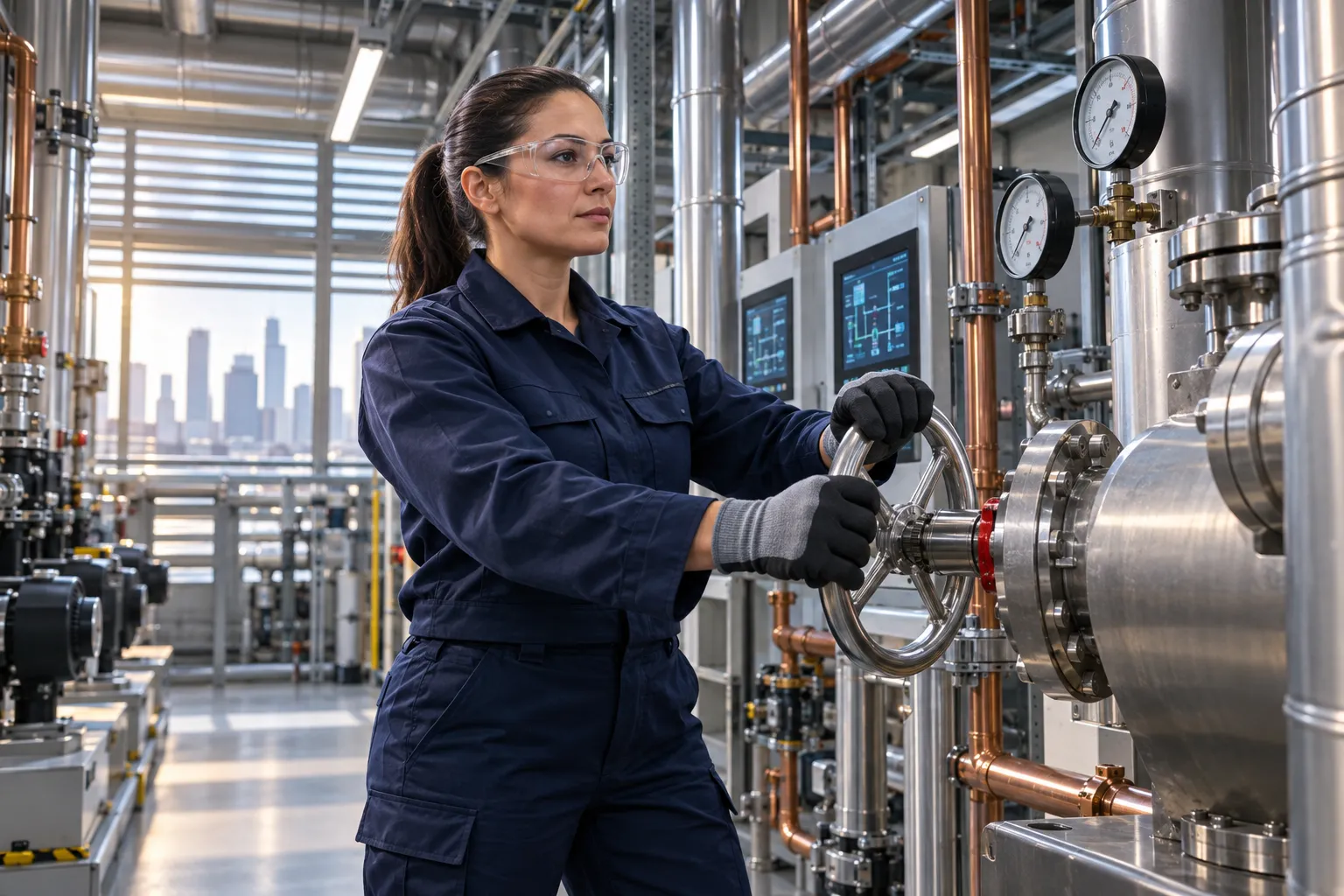
precision casting facility
A replacement pump casing can bring a plant room to a standstill if the original part is obsolete or no longer available. A precision casting facility makes metal components from shaped patterns, helping buyers reproduce complex parts without machining the entire component from solid stock. For UK estate managers, understanding the process helps you judge whether a casting can restore equipment reliably, control replacement costs and reduce disruption.
Key Takeaways
- A precision casting facility produces metal components by pouring molten material into shaped moulds, which allows complex parts to be recreated without machining them from solid stock.
- Castings are particularly useful for reproducing obsolete parts, such as pump casings, when the original manufacturer no longer supplies them.
- Understanding how the casting process works helps estate managers judge whether a replacement component will restore equipment reliably and perform to specification.
- Choosing the right facility can control replacement costs and reduce plant downtime during urgent repairs.
The method is also known as investment casting. It can produce detailed shapes and a good surface finish, but the right choice depends on the part’s geometry, alloy, required quantity and inspection needs. Here is what happens inside a foundry, and how casting compares with sand casting and CNC machining.
What Is a Precision Casting Facility? (And Why Estate Managers Should Care)
A precision casting facility is a foundry that creates metal components by forming a disposable pattern, coating it in a ceramic shell, then pouring molten alloy into the resulting cavity. The pattern is removed before pouring, leaving a mould shaped to the required component. This process can make parts with detailed profiles and internal features that may be difficult or costly to machine from a solid billet.
What Actually Happens Inside a Precision Casting Facility
Production brings pattern-making, shell preparation, melting, pouring and finishing together under controlled conditions. The foundry manages alloy chemistry and pour temperature while keeping the mould intact and tracking each stage against the part specification. Once the metal has cooled, technicians remove the ceramic, cut off gates and risers, then inspect and finish the casting.
For an estate manager, the process affects whether a replacement casing, impeller or valve body will fit existing pipework and machinery. A drawing, sample part or clear set of measurements gives the foundry a basis for reproducing the component and checking critical interfaces.
The Investment Casting Process, Step by Step
The sequence below explains how the pattern becomes a finished metal part:
- Create the pattern: Wax is injected into a tool to form a replica of the component. Multiple patterns may be attached to a central sprue.
- Build the ceramic shell: The pattern assembly is dipped in ceramic slurry and coated with refractory material. Repeated coats form a shell able to withstand molten metal.
- Remove the wax: Heat drains or burns out the wax, leaving a hollow mould with the required geometry.
- Pour the alloy: The shell is heated, filled with molten metal and left to cool under controlled conditions.
- Finish and inspect: The shell is broken away, the castings are separated, and surfaces are cleaned. Dimensional checks and any specified testing follow.
Each stage can affect dimensional accuracy and surface condition. Identify features that need close control, such as bearing seats, flange faces or bolt holes, so inspection focuses on the interfaces that matter during installation.
Alloys and Materials a Quality Foundry Should Pour
Investment casting can be used with a broad range of ferrous and non-ferrous alloys. The suitable choice depends on operating temperature, pressure, corrosion exposure, wear and the loads the component must carry. Common options include stainless and carbon steels, tool steels, aluminium alloys, copper-based alloys and nickel-based alloys. Available grades vary by foundry, so specify the material by grade or engineering requirement rather than asking for a general substitute.
Franklin Precision Castings reports that it pours over 120 alloys, illustrating the range that may be available from an established operator. That figure is not a specification for your part: confirm the exact grade, material traceability and any required testing before placing an order.
Precision Casting vs Sand Casting vs CNC Machining: Which Method Fits Your Part?
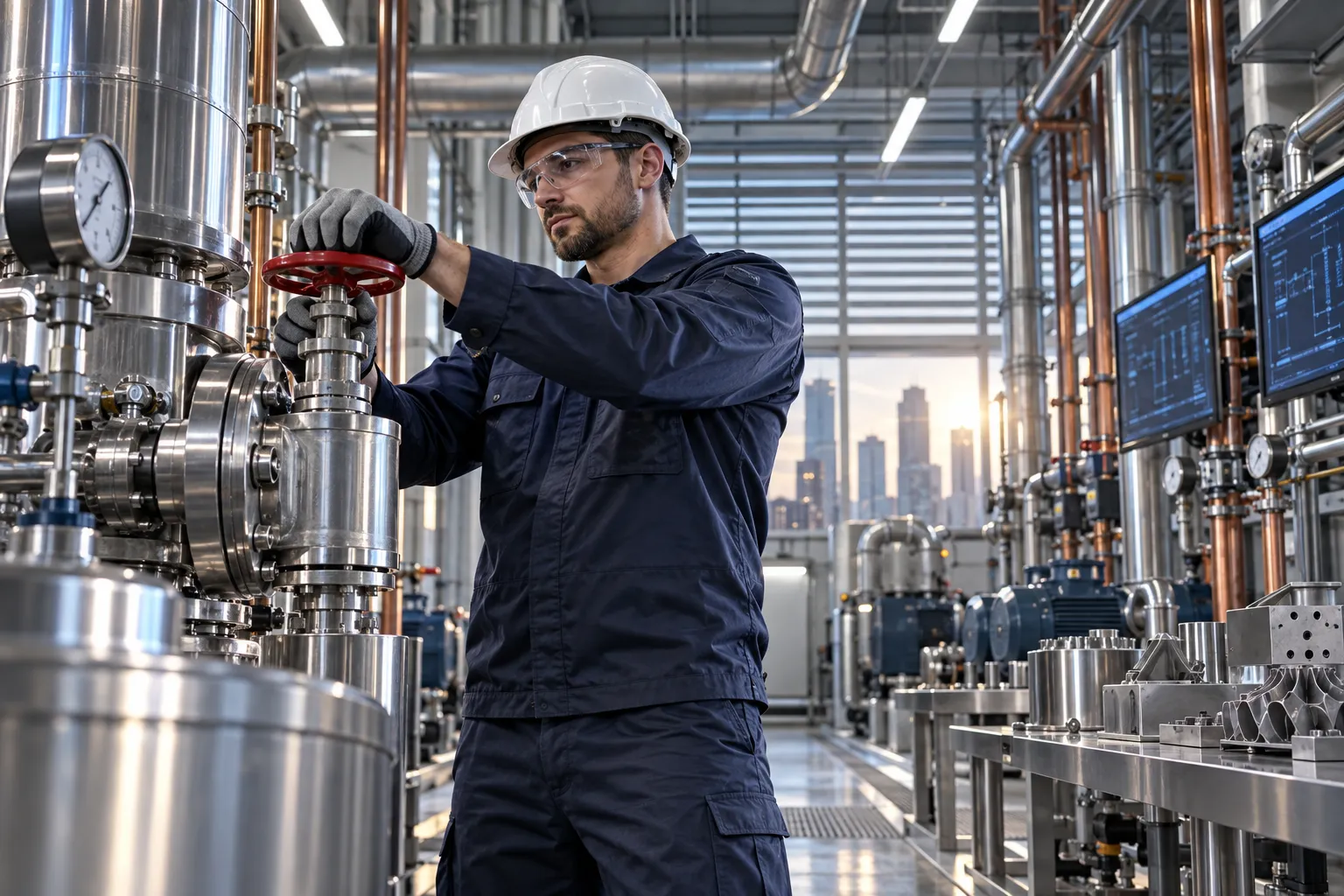
No single process suits every replacement component. The decision turns on geometry, required finish, dimensional tolerances, order quantity and tooling cost. For plant equipment, also account for downtime: a lower unit price may not be the best option if the lead time delays a repair.
Comparison Table: Cost, Tolerance, Lead Time and Finish
Use this as an initial screening tool, not a substitute for a drawing review. Actual performance and delivery depend on the part, material, tooling and inspection plan.
| Method | Cost considerations | Tolerance and finish | Typical fit |
|---|---|---|---|
| Investment casting | Pattern tooling adds an upfront cost; complex shapes can reduce later machining. | Good detail and surface finish; specified faces may still need machining. | Complex or repeated parts where geometry and reduced machining matter. |
| Sand casting | Often suited to larger parts and less costly tooling, with finishing needs to assess. | Generally coarser surface and less detail than investment casting. | Larger, less detailed components where finish requirements allow. |
| CNC machining | Can be economical for low quantities if stock removal is modest; material waste can rise for complex parts. | Accurate machined features and controlled surface finish. | Simple shapes, prototypes or components needing precise machined interfaces. |
When Precision Casting Wins (Obsolete Pump, Valve and HVAC Components)
Casting is worth assessing when an obsolete pump casing, valve body or HVAC component has a complicated profile that would take substantial machining from billet. It can also suit parts with curved passages, ribs or bosses that are difficult to reproduce by welding separate sections. Keep the original part, drawings and installation measurements available where possible. They help establish interfaces and identify surfaces that need machining after casting.
Machining remains a sound choice for simple geometry, small batches or tight features that need direct cutting. Sand casting may suit larger, less detailed parts. Base the choice on the component’s duty and the cost of the complete route to an installable part, not the casting price alone.
The Cost Case: Why Castings Often Beat Billet Machining and Weldments
Billet machining removes material to reveal the finished shape; complex parts can leave substantial offcuts and require extended machine time. A welded assembly may need several fabricated sections, skilled joining and checks for distortion. Investment casting places material nearer the final geometry, though tooling, finishing and inspection remain part of the total cost.
Franklin Precision Castings reports a documented billet-to-investment-casting conversion that reduced part cost by over 90%. Treat that as a case-specific result, not a forecast for every component. For your comparison, request a like-for-like breakdown covering tooling, machining, finishing, inspection, quantity and delivery, then weigh the cost against the operational impact of waiting for the replacement.
The Buyer's Checklist: How to Choose a Precision Casting Facility in the UK
A quotation can look sound on price and still leave you exposed if inspection records are missing, delivery dates keep moving or the people who understood the component have left. Assess a foundry on evidence, not assurances. Ask how it controls the part from drawing review through production and final inspection, and who will answer technical and order-status questions. For estate and facilities teams, accountability matters: a replacement component must meet the specification and arrive with the information needed to approve its use.
Certifications and Quality Assurance (ISO 9001:2015, NDT, CMM Inspection)
Certification indicates a quality management system is in place; it does not by itself prove that a particular casting meets your drawing. Ask how the foundry controls material identification, process records, non-conformance and corrective action.
Agree inspection requirements before production. These may include dimensional checks using a coordinate measuring machine (CMM), non-destructive testing (NDT), material certificates or specified mechanical tests. Ask for a sample inspection report and confirm which features, acceptance criteria and records it will cover. This gives your engineering team a clear basis for checking the delivered part.
In-House Tooling, CNC Machining and Secondary Processes
Ask which stages are completed on site and which are subcontracted. In-house pattern tooling, CNC machining and finishing can make technical coordination more direct, but subcontracting is not automatically a weakness if responsibilities and quality controls are clear. Establish who manages the complete route and how changes are communicated.
- Can the supplier review or create tooling from your drawing, sample or measured component?
- Can it machine critical faces, bores and fixing points to the required dimensions?
- Which heat treatment, surface finishing or testing stages are outsourced, and who approves the results?
- Will you receive traceable records for the material and agreed inspection stages?
A single point of responsibility can reduce the risk of gaps between casting, machining and inspection. Confirm it in the scope of supply rather than assuming all operations sit under one roof.
Lead-Time Transparency and Communication Standards
Require a written delivery plan that identifies production stages, approval points and assumptions affecting the schedule. Ask how the supplier will report progress, flag a developing delay and respond when your team needs an update. A named contact who can explain order status is more useful than a general mailbox with no clear ownership.
Before approving the order, check what could change the agreed date, such as drawing revisions, material availability or inspection findings. Ask how changes will be documented and who must approve them. Clear answers help you plan maintenance access and reduce the chance of a replacement part disrupting a repair schedule.
People and Continuity: Why Experienced Staff and Onshoring Matter
Quality depends on controlled processes and the people who understand them. Ask who will review your component and whether experienced technical staff will remain involved from quotation to acceptance. If ownership, management or key personnel have changed, request evidence that procedures, inspection standards and material traceability remain consistent. A previous relationship or familiar product name does not prove that the current process is unchanged.
UK-based production may make site visits, technical discussions and transport planning more straightforward, though location alone does not guarantee performance. Assess the foundry’s demonstrable capability, named responsibilities and willingness to explain problems plainly. A supplier earns trust when its engineers discuss limitations as directly as they describe what they can make.
Prototyping, Lead Times and MOQs: What to Expect Before You Commit
A prototype can confirm whether a proposed casting is practical before you commit to production tooling or a larger order. Agree what the first article must prove: dimensions, material grade, fit with mating parts, or performance under operating conditions. For a replacement component, provide the drawing and any available sample, measurements or installation constraints. A clear approval plan helps prevent late changes from affecting cost and delivery.
Rapid Prototyping and 3D-Printed Wax Patterns
Some foundries use additive manufacturing to produce patterns for prototype castings, helping test a design before conventional tooling. IPC Foundry states that it can deliver rapid-prototyping first articles in as little as two weeks. Treat that as a supplier-specific capability, not a universal lead time: confirm whether it covers pattern production, casting, finishing and inspection, and whether the proposed route uses the material required for the final part.
Typical Lead Times, Minimum Order Quantities and Cost Drivers
There is no reliable standard lead time or minimum order quantity for every component. Timing depends on pattern or tool requirements, alloy availability, production scheduling, finishing and inspection. Unit cost is shaped by the part’s size and geometry, order quantity, tooling, machining and any testing or documentation. Request separate dates for tooling, first article approval and production delivery to see where delays could affect planned maintenance or a repair window.
- Ask whether a prototype can be made before production tooling is approved.
- Confirm any minimum batch size and whether repeat orders use retained tooling.
- Request a cost breakdown for tooling, casting, machining, inspection and delivery.
- Agree how design changes after approval will affect price and schedule.
From Quote to Delivery: Questions Every Buyer Should Ask
Before accepting a quotation, check that it identifies the drawing revision, material grade, quantity, inspection requirements and delivery point. Ask who will provide progress updates, how often they will be sent and who will contact you if a date changes. Confirm what approval is needed before production begins, and what records will arrive with the finished parts. These details turn a headline price into a workable supply plan.
FAQs and Next Steps: Sourcing Cast Components with Confidence
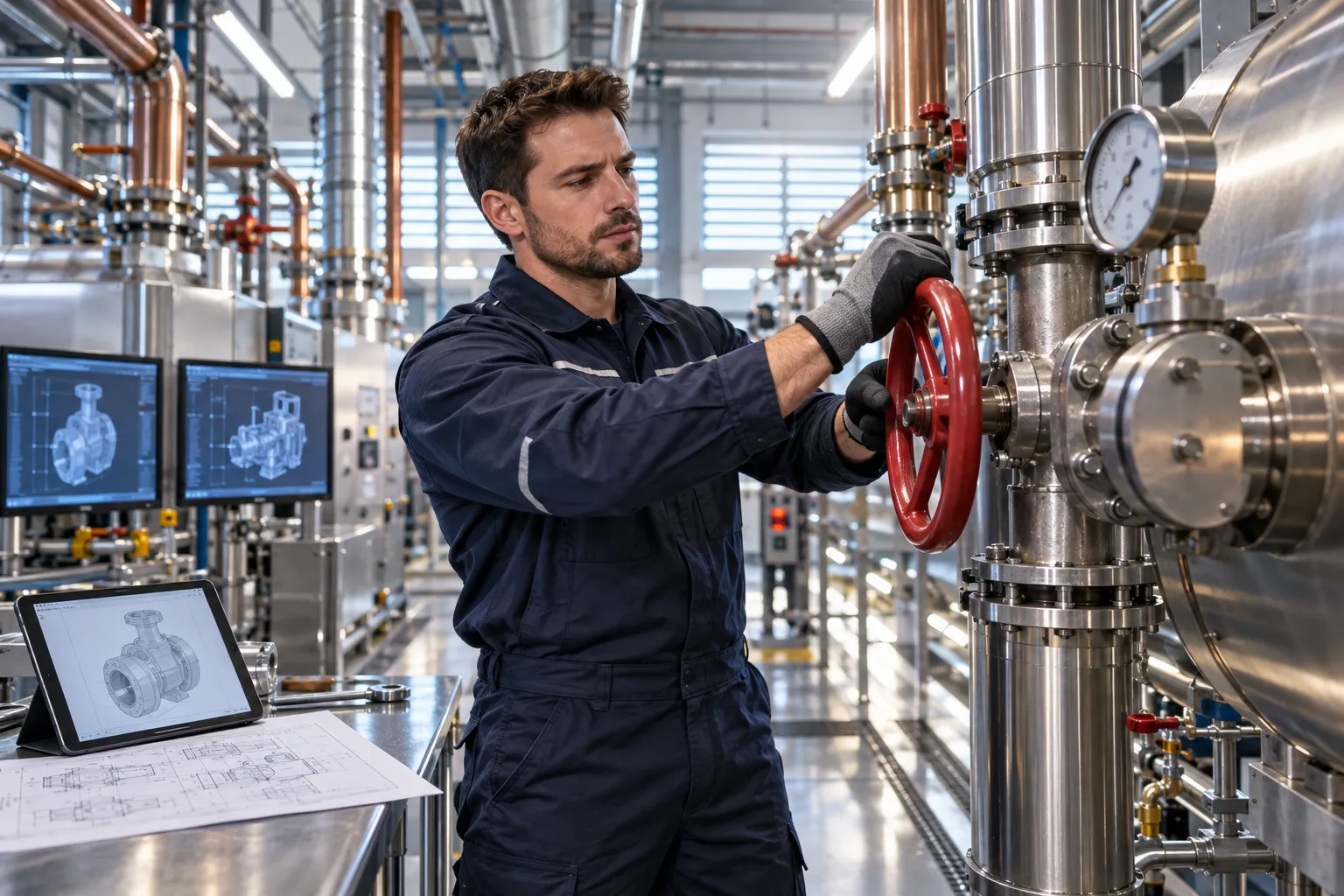
When a component is difficult to source, start with a technical review rather than assuming the original manufacturing route must be repeated. A foundry can assess a drawing, sample or measured part and advise whether casting is suitable. Discuss the required delivery date, equipment duty and acceptance criteria together so the proposed route addresses the plant’s needs.
Frequently Asked Questions
Can a foundry reproduce a part without the original drawing? Often, a sample component and accurate measurements can support a review. Confirm whether the supplier can inspect or measure the sample and agree how critical dimensions will be approved.
Should I order a prototype first? A first article is useful when fit, geometry or the production route needs validation. Set out the checks required before approving a production batch.
What should arrive with the finished part? Agree the documentation before ordering. Depending on the application, this may include material records, dimensional inspection results and reports for any specified testing.
Protecting Your Plant: From Obsolete Parts to Planned Preventative Maintenance
An obsolete component is a maintenance risk if its failure would stop essential equipment. Record critical parts, available drawings, material details and supplier contacts in your asset information. When a replacement is made, retain its specification and inspection records so future teams can identify and order the correct item.
Reliable plant care means planning before a breakdown forces a decision. Add hard-to-source components to your planned preventative maintenance review, assess the condition of the equipment they protect and allow time to resolve supply risks. For support with commercial building maintenance in Birmingham and across the West Midlands, contact MEMS Facilities Maintenance. CLICK TO CALL US NOW to discuss keeping your site operational.
Frequently Asked Questions
What does precision casting mean?
Precision casting, also known as investment casting, is a foundry process that creates metal components by forming a disposable wax pattern, coating it in a ceramic shell, then pouring molten alloy into the resulting cavity. The method produces detailed profiles and internal features that would be difficult or costly to machine from solid stock.
Can a precision casting facility reproduce obsolete pump casings?
A precision casting facility can reproduce obsolete pump casings, valve bodies and HVAC components by working from a drawing, sample part or clear set of measurements. This helps estate managers restore equipment reliably when original parts are no longer available, controlling replacement costs and reducing downtime.
How does investment casting compare with sand casting and CNC machining?
Investment casting suits complex or repeated parts where detail and reduced machining matter, though pattern tooling adds an upfront cost. Sand casting fits larger, less detailed components with lower tooling costs, while CNC machining is economical for simple shapes, prototypes and parts needing precise machined interfaces.
What alloys can be used in precision casting?
Precision casting supports a broad range of ferrous and non-ferrous alloys, including stainless and carbon steels, tool steels, aluminium alloys, copper-based alloys and nickel-based alloys. The right choice depends on operating temperature, pressure, corrosion exposure, wear and the loads the component must carry.
What information does a foundry need to cast a replacement part?
A foundry needs a drawing, sample part or clear set of measurements to reproduce a replacement component accurately. Identifying features that need close control, such as bearing seats, flange faces or bolt holes, ensures inspection focuses on the interfaces that matter during installation.
What are the main stages of the investment casting process?
Investment casting involves five main stages: creating the wax pattern, building the ceramic shell through repeated dipping, removing the wax with heat, pouring the molten alloy, then finishing and inspecting the casting. Each stage can affect dimensional accuracy and surface condition.
When is precision casting the best choice for plant equipment parts?
Precision casting is worth assessing when an obsolete component has a complicated profile, curved passages, ribs or bosses that would take substantial machining from billet or would be difficult to reproduce by welding separate sections. The decision should account for geometry, quantity, tolerances and repair downtime.