what is Building Fabric Repairs & Maintenance
A leaking roof, failed sealant or damaged fire door rarely stays a small maintenance issue. Building fabric repairs and maintenance cover the inspection, repair and upkeep of a commercial property's physical elements, from the roof above you to the doors, walls and finishes around you. Left unattended, minor defects can interrupt trading, damage equipment and create avoidable safety concerns.
Key Takeaways
- Building fabric maintenance covers every physical element of a commercial property, from roofs and walls through to doors, windows and internal finishes.
- Small defects such as failed sealant or a damaged fire door escalate quickly into problems that disrupt trading and put people at risk.
- Planned inspections catch minor faults early, preventing them from developing into expensive repairs or damage to equipment.
- A well maintained building fabric protects business continuity, preserves asset value and supports compliance with safety obligations.
I have worked from plant rooms to occupied commercial premises for more than 24 years. The engineering lesson is consistent: a building needs its fabric and building services managed together. A defect in the envelope can affect HVAC performance, electrical equipment, plumbing routes and the people using the site every day.
What is building fabric repairs and maintenance?
Building fabric repairs and maintenance cover the inspection, preservation and repair of a building’s physical structure and internal finishes. Typical work includes roofs, gutters, cladding, brickwork, pointing, doors, windows, flooring, ceilings, partitions, wall finishes, sealants and access-related items. The purpose is to keep the premises weatherproof, safe, functional and presentable while controlling deterioration.
Fabric maintenance is separate from mechanical and electrical maintenance, though the two disciplines often meet. M&E work may involve heating, ventilation, air conditioning, electrical distribution or controls. Fabric work may involve repairing a roof penetration above an air-conditioning unit, replacing failed fire stopping around service routes, or making good a ceiling after a pipe leak. Plumbing and electrical services remain building-services disciplines, while the resulting damage to finishes or structure still needs proper repair.
A sound programme combines condition surveys, planned inspections, responsive repairs and clear records. The person assessing a defect should identify its likely cause and consider the risk to occupants, stock, plant and operations. Replacing stained ceiling tiles without finding the leak is not a repair strategy. It is a cosmetic delay that allows water ingress, mould, corrosion or insulation damage to continue.
Practical test: if a defect can allow water, air, heat, fire or unauthorised access through the building, it deserves prompt assessment rather than a temporary patch.
What are the benefits of building fabric maintenance?
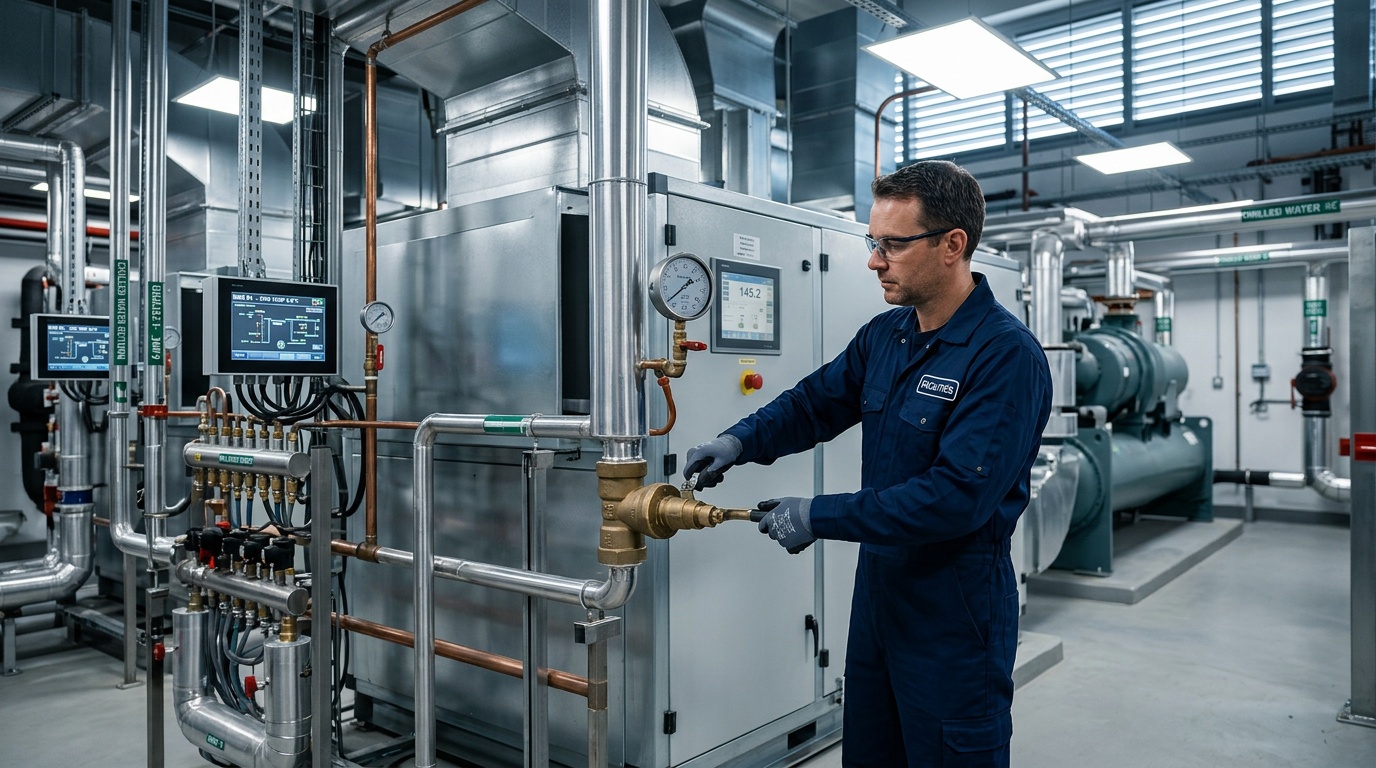
Planned fabric maintenance gives a facilities manager control over defects before they become emergency call-outs. Cracked pointing, loose flashing, blocked rainwater goods and failed jointing can all let moisture into a property. Early investigation creates more practical choices: repair a local area, arrange access during quiet hours and order suitable materials instead of reacting during a storm or busy trading period.
It also supports safe occupation. Doors, glazing, stair finishes, handrails, compartmentation and fire-stopping details all need appropriate inspection. Records, photographs and completion evidence help the responsible team show how defects were assessed and managed. The exact legal duties depend on the building, its use and the work involved, so a competent surveyor or specialist contractor should confirm the applicable requirements.
The building envelope affects energy performance too. Gaps around windows, damaged roof insulation and poorly sealed openings make internal temperatures harder to control. Heating and cooling equipment then has to work harder, while draughts and water ingress can reduce comfort for staff, visitors and customers. Coordinating fabric repairs with commercial HVAC maintenance helps address the cause rather than only the visible symptom.
- Less disruption: planned access reduces the likelihood of urgent works during occupied hours.
- Better asset protection: timely repairs limit corrosion, rot, staining and deterioration of finishes.
- Clearer compliance control: inspection findings, photographs and completion records create an auditable maintenance trail.
- More reliable budgeting: planned priorities make capital and operational expenditure easier to schedule.
- Better working conditions: dry, secure and well-maintained premises support occupant comfort and safe access.
M&E Maintenance Solutions was founded in 2007 and serves facility and estate managers across the UK. Its core work centres on commercial building services, particularly HVAC, with technical partners supporting related building fabric requirements. That arrangement is useful where a defect affects plant performance or where access, ventilation and weather protection must be considered together.
For sites managed under a planned maintenance regime, the provider should map inspections and tasks to the building's risk profile and applicable standards, including SFG20 where relevant to building services. The objective is straightforward: protect people and assets, limit disruption and complete repairs properly the first time.
How should you choose a building fabric maintenance provider?
Choose a provider by defining the building's risks and required outcomes, not by selecting the lowest hourly rate. The service should cover inspection, defect diagnosis, repair coordination and completion records for the physical parts of the property. Ask potential contractors how they will assess roofs, cladding, masonry, windows, doors, flooring, ceilings, partitions, sealants, fire-stopping and rainwater systems across your estate.
A suitable provider separates fabric defects from mechanical, electrical, plumbing and drainage responsibilities while understanding where those systems meet. A failed roof seal above an air-conditioning unit, damaged insulation around pipework or an opening around a cable route can create a shared problem. The contractor should identify the source, protect occupants and equipment, arrange safe access and make good affected finishes.
What should you check before appointing a contractor?
- Scope of work: Confirm which elements are inspected and repaired, including roofs, gutters, external walls, glazing, doors, ironmongery, internal finishes, access routes and compartmentation details.
- Survey method: Look for documented condition surveys, photographic evidence, defect severity ratings and clear recommendations. A useful report identifies the likely cause, consequence and priority for each issue.
- Competence: Check relevant trade qualifications, health and safety arrangements, asbestos awareness, working-at-height controls and access equipment procedures. Specialist work should be assigned to suitably competent people.
- Compliance records: Establish how inspection findings, permits, risk assessments, method statements, completion photographs and certificates will be stored and supplied to your team.
- Response arrangements: Confirm how urgent water ingress, security failures, storm damage and unsafe access will be escalated outside normal working hours.
- Coordination: Ask who manages specialist partners where a fabric defect affects HVAC, electrical installations, plumbing, drainage or fire-safety measures.
Do not accept vague promises about “general repairs”. A proper proposal should state exclusions, materials, access requirements, attendance times, waste removal, making-good responsibilities and the process for discovering concealed damage. It should also distinguish routine maintenance from capital replacement. Limited repointing may be planned operational work, while extensive façade deterioration could require a building surveyor, structural advice, design information and controlled procurement.
M&E Maintenance Solutions has operated since 2007 and supports commercial facilities throughout the UK. Its established HVAC, compliance and 24/7 operational capability is relevant where a roof, wall, ceiling or access defect creates a risk to plant operation or business continuity. Ask any provider to be equally clear about the work it does directly and the specialist tasks it coordinates through partners.
Procurement test: ask the contractor to show how a defect moves from report to diagnosis, approval, repair, verification and close-out. If the process is unclear, accountability will be unclear after the first emergency.
Frequently Asked Questions
What does building fabric maintenance include?
It normally includes inspection, planned upkeep and repair of the physical parts of a commercial property. This can cover roofs, gutters, cladding, brickwork, pointing, windows, doors, locks, flooring, ceilings, partitions, wall finishes, sealants, external paths and access areas. The exact scope depends on the building, its age, construction, occupancy and risk profile. A good maintenance schedule records the condition of each element and sets priorities for water ingress, security, fire safety, structural deterioration and occupant safety.
Does building fabric maintenance include plumbing or drainage?
Plumbing and drainage are generally treated as building-services disciplines rather than fabric work. A damaged soil pipe, blocked drain or failed valve needs a suitably competent plumbing or drainage engineer. The fabric consequences still require attention: a leaking pipe may damage plasterboard, insulation, flooring or electrical equipment, while excavation for a drainage repair may require reinstatement of paving or internal finishes. Clear responsibility between trades prevents the original defect being fixed while the surrounding damage remains.
What is the difference between building fabric and M&E maintenance?
Fabric maintenance concerns the building envelope and internal construction. M&E maintenance concerns mechanical and electrical systems such as boilers, air-conditioning, ventilation, controls, pumps, lighting and distribution equipment. The two areas meet regularly. Poor roof weathering can affect HVAC plant, failed fire stopping can compromise service penetrations, and damaged ceilings can conceal pipework problems. M&E Maintenance Solutions can support commercial facilities where building defects and HVAC performance need coordinated technical assessment. M&E Maintenance Solutions remains focused on commercial building services, with HVAC at its centre.
What are common building fabric defects?
Common defects include cracked masonry, open joints, failed pointing, slipped roof tiles, damaged membranes, blocked gutters, defective flashing, failed window seals, draughts, corrosion, rotten timber, loose handrails, damaged flooring and broken door hardware. Water staining is a warning rather than a diagnosis. The source may be a roof penetration, gutter overflow, leaking service or condensation. Investigation should establish the cause before decorative repairs are approved.
How quickly should a defect be repaired?
Priority depends on the threat to people, property and business continuity. Active water ingress, insecure doors, damaged glazing, unsafe access routes and compromised fire-resisting construction need prompt escalation. Less urgent cosmetic deterioration can be scheduled through planned works. Keep photographs, risk assessments, repair records and close-out evidence so your facilities team can demonstrate how each issue was assessed and controlled.