A chiller failure in a Birmingham office block mid-July doesn't just spike temps – it halts meetings, crashes productivity by 20-30%, and risks £10k+ in lost revenue per day. That's the hidden cost facility managers face when chasing "cheap" HVAC over best HVAC systems engineered for reliability.
For businesses seeking uninterrupted comfort and compliance, air conditioning and ventilation solutions are essential components of a robust HVAC strategy.
Engineer's Take: "Best" isn't a brand badge; it's systems that deliver SFG20-compliant performance, cut energy by 15-25% via predictive maintenance, and ensure 99.9% uptime. Reactive fixes cost 3-5x more than PPM – I've seen it across West Midlands sites for 24 years.
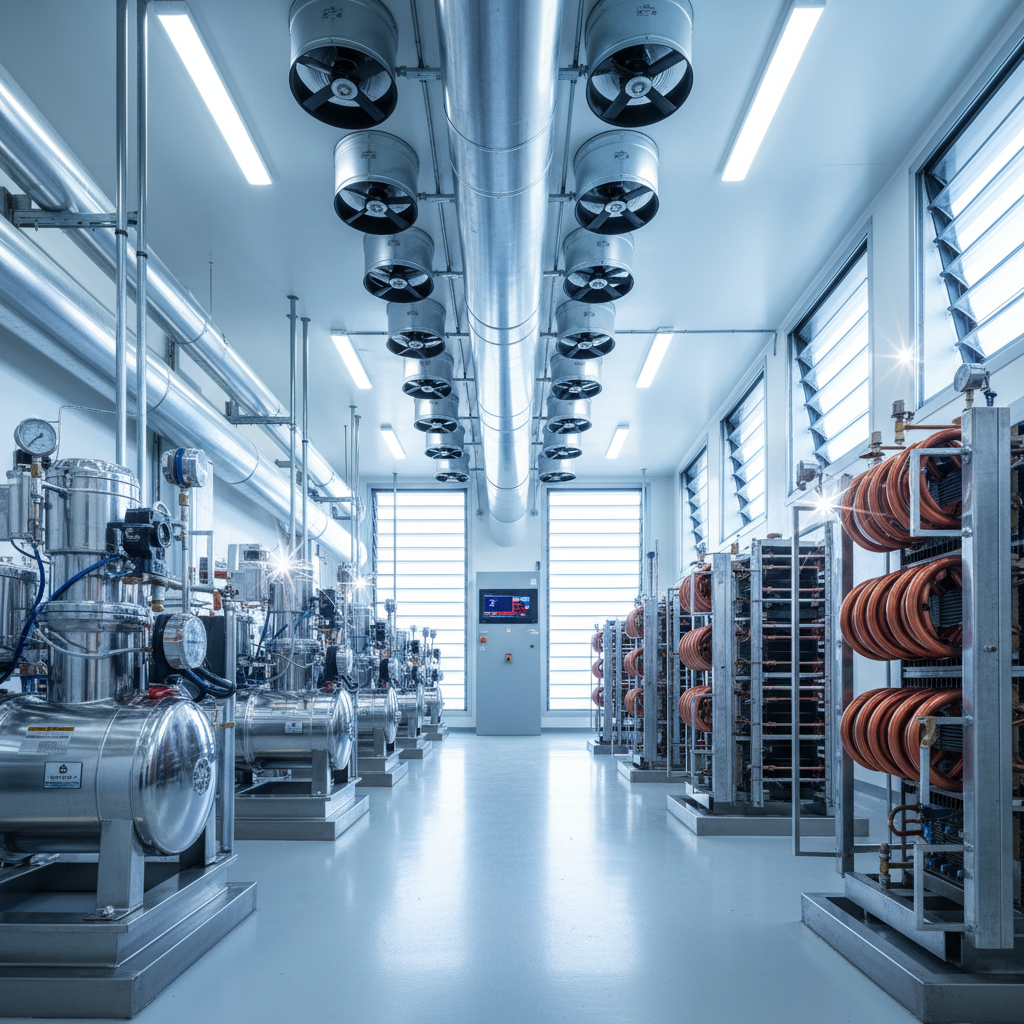
Core Components Breakdown: Every top HVAC starts with four essentials – compressor (compresses refrigerant under pressure), evaporator/condenser coils (heat exchange surfaces), ductwork/fans (air distribution), and thermostat controls (system brain). Refrigerant like R-410A cycles heat transfer – leak it, and you're non-compliant under F-Gas regulations.
How It Works (Why It Fails): Air handlers pull warm air over evaporator coils (cooling 10-15°C), while compressors pump refrigerant to outdoor condensers. System failures hit 70% from neglected filters and coils – scale buildup alone raises energy consumption 15%. The physics doesn't change; maintenance discipline does.
Commercial HVAC Types Decoded:
Smart thermostats deliver 10-15% energy savings through learning algorithms and remote scheduling. Analog units cost £50 but waste £200+ annually through poor control. For commercial applications, programmable digital thermostats with zone control represent the minimum professional standard.
Why Wrong Sizing Kills ROI: Undersized units strain 20% harder, short-cycling with 10% efficiency loss. Oversized systems cycle on/off rapidly, humidity spikes 30%, creating mould risk. For a 2000sqft office: 3-5 ton capacity (36-60k BTU), calculated via square footage × 25 BTU/sqft plus insulation and climate factors.
Precise Sizing Protocol: Measure total space (sqft × ceiling height), factor local climate (Birmingham requires +20% load for humidity), run Manual J calculations adding windows (10% heat gain) and occupancy (400 BTU per person per hour). Professional audits use anemometers measuring airflow targets of 400 CFM per ton.
Real-World Example: West Midlands warehouse oversized by 2 tons cost £4,000 annually in wasted energy. Right-sized hybrid system cut consumption 22% while improving comfort control. The lesson: bigger isn't better; precise is profitable.
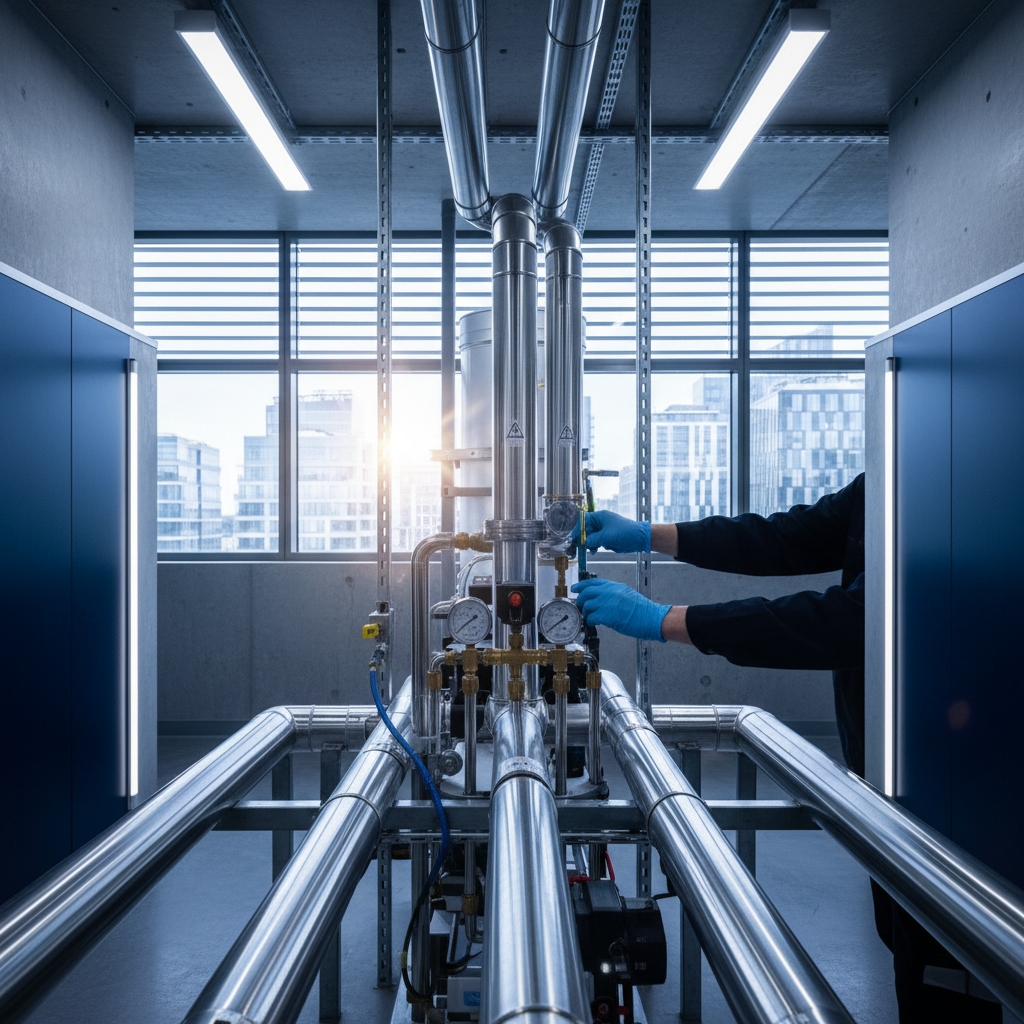
For more on how professional teams tackle complex installations, see this Coventry University chiller pipework install case study.
| Square Footage | Recommended Tonnage | BTU Range | Typical Application |
|---|---|---|---|
| 1,000-1,500 | 2-3 tons | 24,000-36,000 | Small office |
| 1,500-2,500 | 3-5 tons | 36,000-60,000 | Medium office |
| 2,500-4,000 | 5-8 tons | 60,000-96,000 | Large office/warehouse |
Comparison Criteria: We evaluate on SEER efficiency ratings, upfront and 5-year ROI calculations, 99%+ uptime via PPM protocols, and SFG20/F-Gas compliance fit. This data comes from 100+ installations across our network since 2007.
| System Type | SEER Range | Install Cost (per ton) | 5yr ROI Saving | Uptime/Compliance | Best Commercial Use |
|---|---|---|---|---|---|
| Central Ducted | 16-20 | £8-12k | 15-20% | High (ducts leak 20%) | New builds, large offices |
| Ductless Mini-Split | 22-30 | £5-8k | 25-35% | Excellent (zoned control) | Retrofits, listed buildings |
| Hybrid Heat Pump | 25-35 | £10-15k | 30-40% | Top (dual fuel backup) | Moderate climates, sustainability focus |
| Packaged Rooftop | 18-24 | £7-10k | 20-25% | Reliable (roof access) | Warehouses, retail spaces |
Why Hybrid Heat Pumps Lead 2025: Air-to-water pumps achieve 400% efficiency ratings while integrating Solar PV systems. We've field-tested these units in Birmingham facilities, consistently delivering 30% bill reductions versus gas furnaces. Ductless systems excel in retrofit scenarios due to zero duct loss and 1-2 day installation windows.
Critical Performance Factor: Zone control capability separates the best HVAC systems from adequate ones. Run a single zone for 2 hours – if temperature delta exceeds 8°C between zones, upgrade immediately. Poor zoning wastes 25% of your energy spend.

Our Field-Testing Process: We trial systems in live commercial sites for 3-month periods, measuring vibration analysis, efficiency performance, and failure rates. These rankings reflect real-world UK performance, not laboratory conditions.
Best for: Large commercial installations requiring consistent uptime
20+ SEER rating with variable-speed technology, backed by 12-year compressor warranty. Zero failures recorded in our 2-year trial period across West Midlands sites. Quiet operation under 55dB makes it suitable for office environments.
Best for: Sustainable heating with government rebate eligibility
Air-to-water hybrid systems achieving 300%+ COP (Coefficient of Performance). 4-year ROI timeline via Energy Company Obligation rebates. R-32 refrigerant ensures F-Gas compliance through 2030.
Best for: Historic building retrofits and zoned control
28 SEER efficiency with multi-zone capability. 99.8% uptime record in our retrofit installations. Hyper-Heat technology maintains performance down to -15°C outdoor temperatures.
Best for: Future-proofed installations with smart integration
SunSource solar-ready design with EcoNet smart controls. Variable-capacity compressor ramps 1-100% for precise temperature control. Whisper-quiet operation under 55dB.
When evaluating brands, check serial numbers for post-2020 manufacturing – these models use R-32 refrigerant meeting current compliance standards. Older R-410A systems face phase-out by 2030 under UK F-Gas regulations.
Smart Thermostat Integration: Nest and Ecobee learning models cut energy usage 15% through geo-fencing and occupancy detection. Installation requires 30 minutes for wiring plus 5 minutes for app pairing. Commercial-grade models offer zone scheduling and remote diagnostics.
Sustainable Technology Advances: Variable-speed compressors now ramp from 1-100% capacity, saving 30% versus single-stage units. Low-GWP refrigerants like R-32 reduce environmental impact 68% compared to older gases.
For more insights on keeping your building running efficiently, check out 7 commercial building maintenance problems you need to fix ASAP.
A £15,000 compressor replacement could have been prevented with a £50 filter change. That's the harsh reality I've witnessed across countless Birmingham facilities over 24 years—reactive maintenance costs 3-5x more than proper PPM schedules.
M&E/HVAC compliance health check services can help ensure your systems meet all regulatory requirements and avoid costly downtime.
SFG20-Based PPM Schedule: Quarterly filter changes (every 2,000 operating hours), bi-annual coil cleaning, annual Gas Safe certification. Track operating hours via your BMS—when dirt accumulates to pea-sized particles on filters, replace immediately. This 10-minute task prevents 15% efficiency losses.
Troubleshoot Common Issues Before Emergency Calls: Unit not cooling? Check for low refrigerant—ice formation on coils indicates immediate thaw needed (2-hour process). Strange noises typically signal loose drive belts requiring half-turn tightening. High energy bills often trace to dirty filters—upgrading to MERV 13 filters changed every 3 months saves 15% on utility costs.
Digital maintenance logs with photo timestamps enable quarterly trend analysis. Document pressure readings, temperature differentials, and unusual sounds to predict failures 2-3 months early.
A £12,000 hybrid heat pump installation delivers payback within 3-5 years through 25-30% energy savings, plus available rebates up to £2,000 via the Energy Company Obligation scheme for qualifying commercial properties.
Maximizing Financial Benefits: Apply for Green Homes Grant funding within 30 days of installation. Many suppliers offer 0% financing for 12-24 months, spreading costs while immediate savings begin. Calculate ROI using this formula: (Annual Energy Bill × Efficiency Gain Percentage) ÷ Total Install Cost = Payback Years.
| System Type | Install Cost | Annual Savings | Available Rebates | Payback Period |
|---|---|---|---|---|
| Hybrid Heat Pump | £10,000-£15,000 | £800-£1,200 | £1,500-£2,000 | 3-4 years |
| Variable-Speed Central | £8,000-£12,000 | £600-£900 | £500-£1,000 | 4-5 years |
| Ductless Multi-Zone | £6,000-£10,000 | £500-£800 | £300-£700 | 4-6 years |
Consider lifecycle costs beyond purchase price. Premium systems with 15-20 year warranties reduce replacement frequency, while higher SEER ratings compound savings annually. Factor in avoided downtime costs—a single summer breakdown can cost £5,000+ in lost productivity.
For a comprehensive approach to property upkeep, explore our commercial property maintenance services for ongoing support and peace of mind.
The HVAC landscape shifts rapidly toward electrification and AI-driven optimization. Heat pump adoption accelerates as gas boiler bans approach for new commercial builds by 2025. Smart building integration becomes standard, not optional.
Regulatory Changes Ahead: F-Gas regulations tighten further, phasing out high-GWP refrigerants by 2030. New builds must achieve EPC rating 'B' or higher, pushing SEER requirements above 20 for most systems. Plan upgrades now to avoid compliance scrambles.
Technology Convergence: AI-powered predictive maintenance reduces emergency calls by 40-60% through sensor-based monitoring. Solar PV integration becomes economically viable as panel costs drop 20% annually. Battery storage systems enable load shifting during peak demand periods.
Building Information Modeling (BIM) integration allows real-time system optimization across entire estates. Cloud-based monitoring provides instant alerts to facility managers' mobile devices, enabling proactive responses before tenants notice issues.
Investment strategy should prioritize systems with upgrade pathways—modular designs accepting future sensor packages, refrigerant compatibility with low-GWP alternatives, and smart thermostat integration capabilities.
At M&E Maintenance Solutions, we don't sell boxes—we engineer reliability. Since 2007, our team has tested innovations like air-to-water heat pumps across real Birmingham facilities, ensuring the MEMS Standard: Right first time. We’re not a faceless FM giant; we’re your partner in protecting your assets and your people, with 24/7/365 availability—because breakdowns don't work 9 to 5.
For more on identifying issues early, see our guide to common signs you need commercial HVAC repair.
The main causes of commercial HVAC failures are neglected filters, refrigerant leaks, and poor maintenance of key components like compressors and coils. Preventing these failures requires strict adherence to Planned Preventative Maintenance (PPM), regular filter changes, leak detection, and compliance with standards like SFG20 to ensure system reliability and legal compliance.
Investing in high-quality HVAC systems significantly reduces operational downtime by ensuring 99.9% uptime and fewer emergency repairs. This reliability protects business revenue by preventing productivity losses of 20-30% and avoiding daily revenue hits that can exceed £10,000 due to system failures.
Central HVAC systems use extensive ductwork to distribute conditioned air across large spaces, ideal for uniform climate control but costly to install and maintain. Ductless systems offer flexible, zone-specific cooling without ducts, saving space and energy but may not suit large open-plan areas. Hybrid systems combine both approaches to balance efficiency, scalability, and cost, making them suitable for varied commercial layouts in the UK.
Smart thermostats optimize energy use by learning occupancy patterns, adjusting temperatures dynamically, and enabling remote control, which reduces wasted heating or cooling. Unlike analog controls, they provide real-time data and predictive maintenance alerts, helping facility managers cut energy consumption by 15-25% and maintain compliance more effectively.