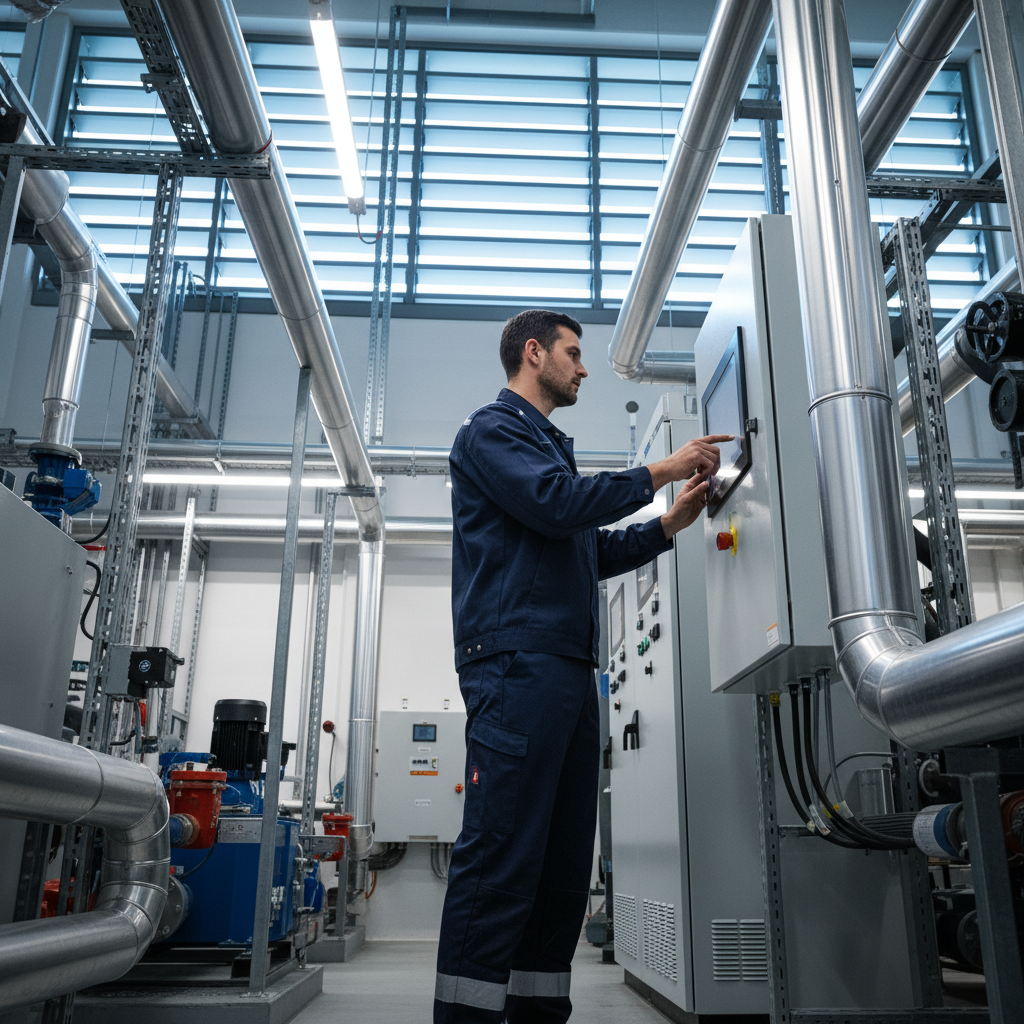
Last Tuesday, a Birmingham office block lost heating across three floors because their "maintenance provider" sent an electrician to fix what turned out to be a mechanical pump failure. Two visits, eight hours of downtime, and frustrated tenants—all because they didn't have a proper multi skilled engineer who could diagnose and fix both electrical and mechanical systems in one call.
After 24 years in this industry, I've seen this scenario play out countless times. Estate managers think they're saving money by using single-trade contractors, but they're actually multiplying their costs and complexity. A true multi skilled engineer is your first line of defence against the chaos of reactive maintenance. Commercial property maintenance services are designed to provide this integrated expertise, reducing downtime and improving tenant satisfaction.
The difference isn't just technical—it's commercial. When your HVAC system trips out on a summer Friday, you need someone who can trace the electrical fault and understand the mechanical implications. You need an engineer who thinks in terms of building performance, not just individual components. Heating and ventilation systems are often interconnected, so having a multi skilled engineer who understands both is essential for rapid, effective repairs.
A multi skilled engineer in commercial facilities combines electrical, mechanical, and building fabric expertise in one person. They're not a "jack of all trades"—they're specialists in building systems integration. Think electrical distribution plus HVAC controls plus water systems, all understood as interconnected parts of your estate's performance.
This isn't about someone who can "have a go" at different trades. It's about an engineer who understands that a tripped RCD might be caused by a failed pump bearing, or that poor air quality could stem from electrical controls on ventilation dampers. They see the building as a system, not isolated components.
Multi skilled engineers are the backbone of effective Planned Preventative Maintenance (PPM) across multi-let offices, retail parks, logistics centres, and healthcare facilities. They reduce your call-out frequency by 40-60% because they can resolve complex faults in a single visit rather than requiring multiple trade specialists.
More importantly, they understand compliance across disciplines. Your multi skilled engineer should be tracking gas safety certificates, electrical testing schedules, and water hygiene regimes simultaneously. This integrated approach prevents the dangerous gaps that emerge when different contractors work in silos.
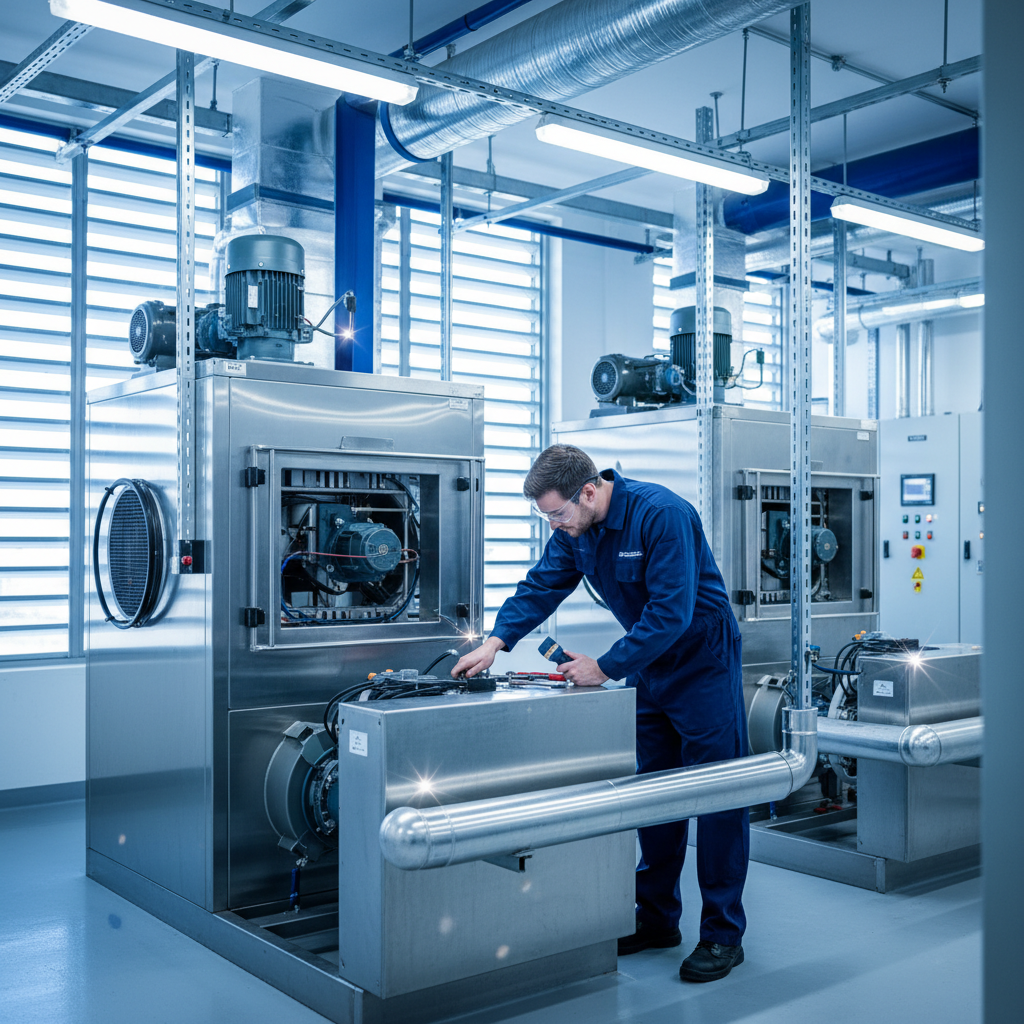
PPM isn't just "checking things work"—it's systematic asset lifecycle management. A competent multi skilled engineer follows time-based schedules aligned to SFG20 guidance: monthly AHU filter changes and motor checks (90 minutes per unit), quarterly emergency lighting function tests (30-45 minutes per floor), and annual gas appliance servicing including combustion analysis and safety device testing.
The commercial value is in preventing expensive failures before they happen. A £50 filter change prevents a £3,000 compressor replacement. A 15-minute quarterly pump inspection identifies bearing wear before it causes weekend emergency call-outs. This is how professional maintenance stabilises your operating costs and eliminates nasty budget surprises. For more on the importance of timely repairs, see common signs you need commercial HVAC repair.
When your building systems fail, speed of diagnosis matters more than speed of arrival. A skilled multi skilled engineer can trace a heating failure from the boiler through controls to distribution in under 30 minutes, because they understand the electrical and mechanical interdependencies. They carry diagnostic equipment—multimeters, gas analysers, thermal cameras—not just basic hand tools.
Real-world scenarios demand this breadth: a Monday morning boiler lockout might be a failed pump, a tripped breaker, or a faulty sensor. Your engineer needs to check all three systems methodically. Single-trade contractors create a relay race of different specialists—expensive and slow. Electrical plumbing expertise is crucial for resolving these issues efficiently.
The "minor" issues often have major tenant impact. A failed toilet flush valve affects customer experience. Damaged ceiling tiles after a leak create health and safety concerns. Poorly adjusted fire door closers compromise compliance and comfort. A competent multi skilled engineer handles these within planned visits, preventing separate call-outs for each trade.
This efficiency translates directly to cost control. Instead of three separate contractors over three weeks, you get comprehensive building health management in coordinated visits. Your tenants see professional, responsive service rather than a parade of different faces with different standards. For a real-world example, read about our small works team fit out of a new first aid room at Knight Strip Metals in Saltley, Birmingham.
An electrical-biased multi skilled engineer typically splits their work 70% electrical, 30% mechanical—comfortable with three-phase distribution, motor controls, BMS interfaces, and emergency lighting, but relying on specialist support for complex HVAC commissioning or boiler overhauls. They excel at power quality issues, LED upgrades, and electrical compliance testing.
Mechanical-biased engineers flip this ratio: 70% mechanical systems, 30% electrical support. They're fluent in pump curves, heat exchanger efficiency, refrigeration cycles, and water treatment, but call for electrical backup on complex control panel faults or power distribution upgrades. Both approaches work—if matched correctly to your building's demands.
Your plant room density determines the bias you need. A modern office with sophisticated HVAC controls, chillers, and multiple air handling units demands mechanical-biased expertise. A retail park with basic heating but complex electrical loads—EV chargers, LED systems, multiple distribution boards—benefits from electrical-biased skills.
Risk profile matters equally. Data centres and healthcare facilities need electrical-biased engineers who understand UPS systems, emergency power, and critical electrical infrastructure. Manufacturing sites with process heating and cooling need mechanical-biased engineers who think in terms of thermal efficiency and fluid dynamics.
| Aspect | Electrical-Biased | Mechanical-Biased |
|---|---|---|
| Primary Systems | Distribution boards, motors, controls, emergency lighting, BMS | HVAC, boilers, chillers, pumps, water systems, heat exchangers |
| Typical Qualifications | 18th Edition, PAT testing, Emergency lighting BS 5266 | Gas Safe, F-Gas, Water treatment, HVCA membership |
| Fastest Resolution | Power failures, lighting faults, motor trips, control issues | Heating/cooling failures, pump problems, water leaks, comfort complaints |
| Best-Fit Buildings | Data centres, retail, offices with basic HVAC | Hospitals, hotels, complex offices, industrial sites |
Facilities-focused multi skilled engineers prioritise occupant comfort, regulatory compliance, and energy performance. They understand that a 2°C temperature drift affects productivity and tenant satisfaction. Their mindset centres on maintaining consistent environmental conditions while minimising disruption to building users.
Manufacturing engineers focus on production throughput and equipment availability. They think in terms of OEE (Overall Equipment Effectiveness), line changeovers, and process optimisation. While both are valuable skillsets, they're fundamentally different approaches to problem-solving.
Commercial building engineers must be fluent in HVAC controls, Building Management Systems, fire alarm interfaces, water hygiene protocols, and heat pump technology. They work with comfort cooling, VAV systems, and energy-efficient lighting controls that respond to occupancy and daylight. For more on identifying urgent building issues, see 7 commercial building maintenance problems you need to fix ASAP.
Manufacturing engineers specialise in conveyors, packaging machinery, robotics, and PLC-heavy automation systems. Their diagnostic approach targets production bottlenecks and equipment reliability rather than environmental comfort and regulatory compliance.
Bringing manufacturing-focused engineers into customer-facing environments creates service quality issues. They may lack experience with tenant liaison, working-hours restrictions, and the diplomatic approach needed in occupied buildings. Their problem-solving style—focused on getting equipment running regardless of noise or disruption—doesn't suit commercial environments.
Ask specific questions to confirm facilities experience: "How do you manage noisy repairs during office hours?" "What's your approach to emergency lighting testing in occupied buildings?" "How do you coordinate HVAC maintenance with tenant meeting schedules?" The answers reveal whether they understand the commercial building environment.
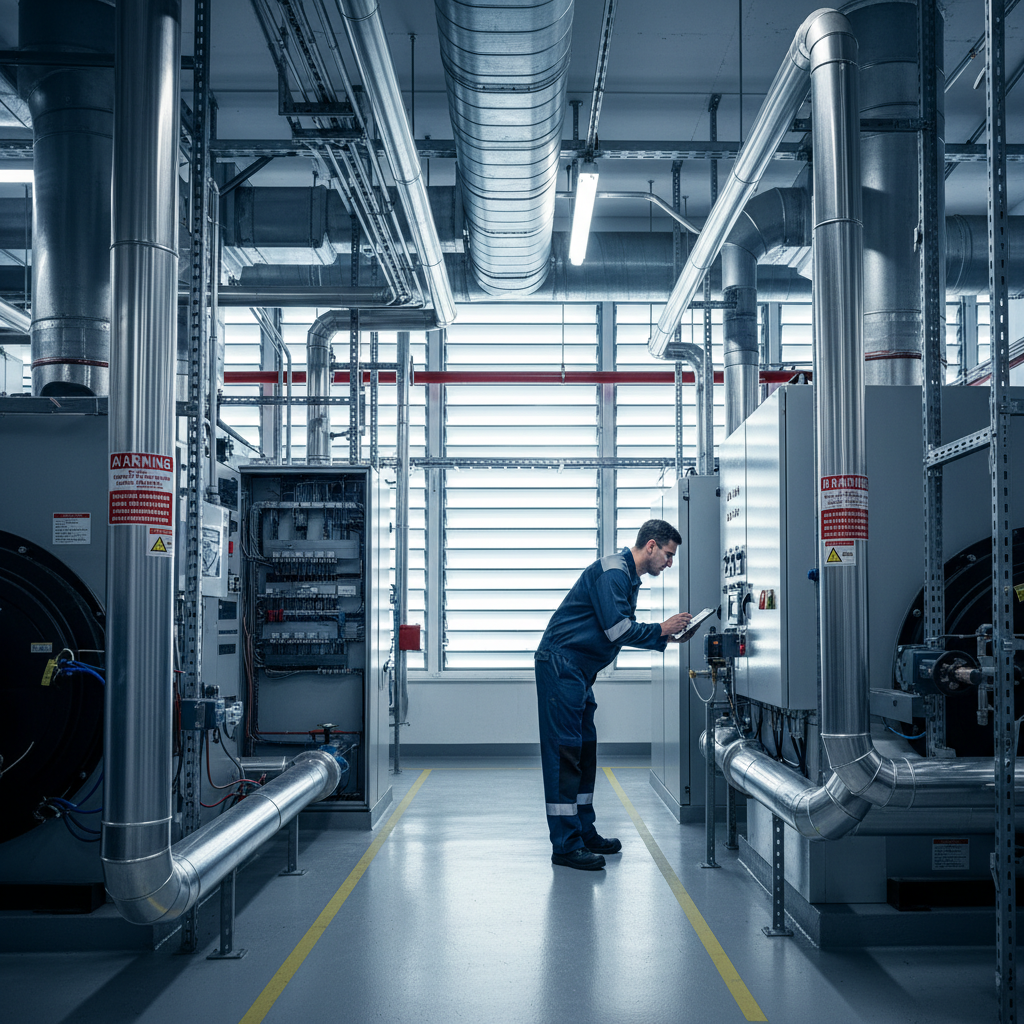
Professional multi skilled engineers coordinate multiple compliance streams simultaneously: Gas Safe regulations for commercial boilers and catering equipment, electrical safety testing under BS 7671, water hygiene monitoring following HSG274, and F-Gas certification for air conditioning and refrigeration systems. They don't just perform tasks—they maintain the audit trail that protects you legally. For a comprehensive compliance review, consider a M&E/HVAC compliance health check to ensure all your systems meet current standards.
The integration advantage is crucial. Rather than managing separate contractors with different documentation standards, your multi skilled engineer ensures all certificates are logged in your CAFM system within 24 hours, with clear schedules for renewal dates and interim checks.
Proactive compliance monitoring prevents expensive surprises. When your engineer spots an approaching Gas Safe certificate expiry during routine PPM, they escalate immediately and coordinate renewal within the required timeframe. This prevents the legal exposure of operating non
compliant maintenance practices and helps you avoid regulatory penalties.
The difference between a genuine multi skilled engineer and someone with a toolkit becomes apparent when systems fail. Technical competence across electrical, mechanical, and building fabric disciplines requires years of structured development, not weekend courses.
HVAC competence spans motor replacement, pump impeller inspection, actuator calibration, expansion vessel pre-charge testing, and BMS interface troubleshooting. Electrical skills must cover single and three-phase fault-finding, distribution board maintenance, RCD testing, emergency lighting battery replacement, and LED driver diagnosis.
Water system knowledge includes TMV servicing, leak detection using acoustic equipment, isolation valve operation, and simple pipework modifications using compression and push-fit techniques. Each skill area demands both theoretical understanding and practical experience.
Communication skills determine whether a tenant complaint becomes a positive interaction or a lease renewal risk. When explaining a two-hour heating outage to frustrated office workers, the engineer's ability to provide clear timelines and progress updates maintains confidence in your building management.
Prioritisation becomes critical when multiple faults compete for attention. A skilled engineer recognises that a failed fire alarm takes precedence over a dripping tap, but also understands that three minor issues resolved quickly often delivers better tenant satisfaction than one complex repair.
Accurate documentation completed within 15-30 minutes of job completion prevents the administrative backlog that creates compliance gaps and billing disputes.
Professional diagnostic equipment shortens fault-finding time and eliminates guesswork. Essential tools include:
Quality equipment represents investment in first-time fixes and reduced repeat visits. A thermal camera that costs £3,000 pays for itself by identifying failing motor bearings before catastrophic failure occurs. For more on the role of building engineers, see this external resource on building engineers.
Commercial buildings don't respect office hours. Heating failures occur on Sunday mornings, power cuts happen during evening events, and water leaks develop overnight. Your ability to keep the doors open and the lights on depends on having a maintenance partner who offers true 24/7/365 availability—because breakdowns don't work 9 to 5.
At MEMS, our multi skilled engineers operate on rotating shift patterns and on-call cover, ensuring that no matter when a fault occurs, you have access to someone who knows your building and can resolve issues quickly. This isn't just about ticking a box for "emergency response"—it's about protecting your assets and your people, and preventing downtime before it happens.
Ask your current provider: "How quickly can you get an engineer on site at 2am on a bank holiday?" If the answer is vague, or if you get a different face every time, it's time to demand better. The MEMS Standard is right first time—every time.
A multi skilled engineer combines electrical, mechanical, and building fabric knowledge, enabling them to diagnose and repair interconnected systems like HVAC, electrical distribution, and water systems. Unlike single-trade specialists who focus on one area, they understand how these systems interact, providing a more integrated and efficient maintenance approach.
By handling both electrical and mechanical issues in one visit, a multi skilled engineer cuts out the delays caused by coordinating multiple specialists. This means faster repairs, less disruption, and a smoother experience for tenants, ultimately reducing downtime and maintaining business continuity.
Multi skilled engineers ensure adherence to standards like SFG20, Gas Safe, and REFCOM by applying their broad expertise to maintain and certify electrical and mechanical systems properly. Their comprehensive approach reduces the risk of non-compliance, protecting both people and property.
A balanced skill set allows the engineer to understand and address faults that span both electrical and mechanical domains, such as HVAC system failures involving controls and pumps. This holistic view is crucial for timely, accurate repairs and optimising building performance across the estate.