Picture this: July heatwave hits your Birmingham office block. Your "budget" HVAC system fails at 2 PM. Staff productivity drops 20%, tenants complain, and you're staring at a £5,000+ emergency call-out bill—because someone chose the cheapest upfront option instead of the most reliable.
In my 24 years climbing from apprentice combustion engineer to MD of MEMS, I've watched facility managers get burned by this false economy. The best hvac systems uk aren't defined by flashy marketing from big corps—they're measured by SFG20 compliance, 15-30% energy savings, and preventing downtime that protects your assets and people. Air conditioning is often at the heart of these solutions, ensuring comfort and reliability for commercial properties. This guide cuts through the noise with actionable insights for commercial properties across the West Midlands and beyond.
For those seeking a comprehensive approach, commercial property maintenance services can help prevent costly failures and keep your HVAC systems running efficiently year-round.

"Best" means different things to accountants versus facility managers. From an engineering perspective, the best hvac systems uk commercial properties need must tick four non-negotiable boxes: Energy efficiency ratings of ERP A+++ with SEER/SCOP above 4.0, Building Regulations Part L compliance, noise levels under 40dB, and ROI within 3-5 years.
Why this matters commercially: Poor HVAC wastes £2,500 annually per 1,000m² in energy costs alone. Factor in potential £20,000 fines for non-compliance, and suddenly that "cheap" system looks expensive. UK-specific considerations include climate fit—our mild winters favour heat pumps over gas boilers, especially with government incentives up to £7,500 via the Boiler Upgrade Scheme.
The key differentiators for commercial success include precise zoning for variable occupancy, low GWP refrigerants (R32/R454B) to meet F-Gas regulations, and integration capability with existing BMS systems. Calculate your load using CIBSE Guide A standards—typically 100-150W/m² cooling for offices—and remember that modern HVAC can lift your EPC rating from B to A, increasing asset value by 5-10%.
Best for: Multi-zone offices and mixed-use developments requiring simultaneous heating and cooling. SCOP rating of 4.8 with capacity for up to 128 indoor units delivers 25% utility bill reductions and 4-year ROI through precise zone control.
Best for: Professional office spaces with fluctuating occupancy. SEER 8.0 rating with AI auto-tuning technology handles Birmingham's humidity spikes while maintaining consistent comfort levels across multiple zones.
Best for: Retrofit projects replacing gas boilers. COP 4.5 efficiency qualifies for Boiler Upgrade Scheme grants, with typical installation completed in 2 days and immediate compliance with latest environmental regulations.
We vet these systems through real-world testing across Midlands properties—not laboratory conditions. Each recommendation comes from actual performance data, maintenance requirements, and long-term reliability records from our 24/7 service portfolio.
For a closer look at how professional installation impacts system performance, see this Coventry University chiller pipework install case study.
| System Type | Efficiency (SCOP) | Install Cost (£/kW) | Annual Maintenance (£/100m²) | UK Incentives | Best Application |
|---|---|---|---|---|---|
| Split Systems | 4.0 | £150 | £300 | Limited | Small retail units |
| VRF Systems | 4.8 | £250 | £400 | Medium | Offices, hotels |
| Air Source Heat Pumps | 4.5 | £200 | £250 | Up to £7,500 | Retrofit projects |
VRF systems win for most commercial applications because precise zoning eliminates the 35% energy waste common with split systems—no more overcooling empty meeting rooms. The upfront premium pays back through reduced operating costs and superior comfort control.
Real-world scenario from our West Midlands portfolio: A warehouse switched from gas boilers to VRF and saved £12,000 annually. The key? Matching BTU load correctly—measure peak demand during July's 35°C spikes, simulate ROI using CIBSE calculation tools, then factor in the Part L2B compliance uplift that modern systems provide.

The difference between adequate and exceptional HVAC lies in three critical components: inverter-driven compressors that deliver 30% energy savings through variable speed control, anti-corrosion coils engineered for UK's damp climate, and smart zoning controls accessible via mobile app for real-time adjustments.
UK commercial properties require SFG20-compliant MERV 13+ filters and integrated humidity sensors to maintain indoor air quality standards. Inverter compressors eliminate the 15% energy spike common with fixed-speed units by ramping from 20-100% capacity based on actual demand—crucial for buildings with variable occupancy throughout the day.
Practical upgrades that deliver immediate returns include installing Nest Pro thermostats programmed for 18-24°C zoning (10% energy savings), annual coil cleaning with 1L descaler solution (12% efficiency boost), and BMS integration for remote PPM alerts. CIBSE TM59 standards warn against oversizing, which reduces efficiency by 20%—proper load calculation prevents this costly mistake.
For more on identifying when your system needs attention, read about the common signs you need commercial HVAC repair.
Commercial HVAC installation follows a 7-step process that prevents the costly mistakes we see from rushed jobs. Start with a comprehensive site survey using anemometer readings for accurate load calculations, verify MCS certification requirements, plan duct/pipe runs under 10m per zone for optimal efficiency, then schedule installation over 1-3 days depending on system complexity.
The commissioning phase requires precise airflow balancing within ±5% tolerance, complete F-Gas logbook documentation, and a 3-month warranty test period. Common pitfall: undersized outdoor units that struggle during UK winters—add a 20% capacity buffer to prevent performance drops when temperatures hit freezing.
Typical investment ranges from £8,000-£25,000 for 200m² commercial space, with government grants covering up to 30% of costs. Birmingham's listed building case study: ducted mini-splits preserved the historic facade while achieving Part L compliance—proving that best hvac systems uk properties need can work within heritage constraints.
To ensure your installation meets all regulatory requirements, consider booking a M&E/HVAC compliance health check before starting your project.
Proactive maintenance prevents 80% of HVAC breakdowns and saves £1,500 annually in emergency call-out costs. The MEMS difference lies in 24/7/365 digital logging systems versus the "paper black holes" common with faceless FM giants—you get traceable compliance certificates within 24 hours of every service visit, not weeks later when memories fade.

Four problems account for 70% of commercial HVAC issues: uneven heating solved by bleeding radiators twice yearly (30 seconds per unit), noisy splits fixed by tightening panels to 5Nm torque and oiling bearings with pea-sized amounts of 10W-40, high energy bills reduced by sealing duct gaps with mastic (eliminates 20% losses), and poor indoor air quality resolved through annual UV lamp replacement and MERV 14 filter upgrades.
Recent Midlands hotel example: refrigerant leak detected during routine inspection and fixed within 2 hours, preventing a £10,000 shutdown during peak season. Early intervention through proper PPM scheduling transforms potential disasters into minor maintenance items—this is why best hvac systems uk commercial properties rely on aren't just about equipment quality, but ongoing partnership with engineers who know your building's specific requirements.
For more urgent issues that can impact your building, see these 7 commercial building maintenance problems you need to fix ASAP.
Smart operation delivers immediate returns: zone control systems save 25% on utilities, night setback programming (4°C temperature drops during unoccupied hours) cuts heating costs by 15%, and modern VRF systems typically achieve payback within 3 years at current £0.15/kWh electricity rates.
UK incentives in 2026 include £7,500 Boiler Upgrade Scheme grants for air source heat pumps and ECO4 funding for qualifying commercial properties. Monitor your energy bills monthly—any increase above 10% signals immediate need for coil tuning or filter replacement. The best hvac systems uk businesses choose aren't just efficient on day one; they maintain peak performance through proper operation and maintenance protocols.
For further details on government incentives and regulations, refer to the official Heat and Buildings Strategy published by the UK government.
MEMS bridges the gap between boiler room reality and boardroom requirements—we deliver vetted installations, PPM maintenance to SFG20 standards, and 24/7/365 availability that big FM corporations can't match. Unlike faceless giants treating you like a number, we're agile enough for Birmingham, the West Midlands, and UK-wide commercial properties while maintaining corporate-level capability.
Our engineers don't just install systems—we understand the commercial reality behind every BTU. When your VRF needs commissioning or your heat pump requires F-Gas compliance, you get the same engineer who knows your building's quirks, not a different face every visit.
The MEMS Standard: Right first time. Book your free site survey today to protect uptime and cut costs. Contact our helpdesk now—because breakdowns don't work 9 to 5.
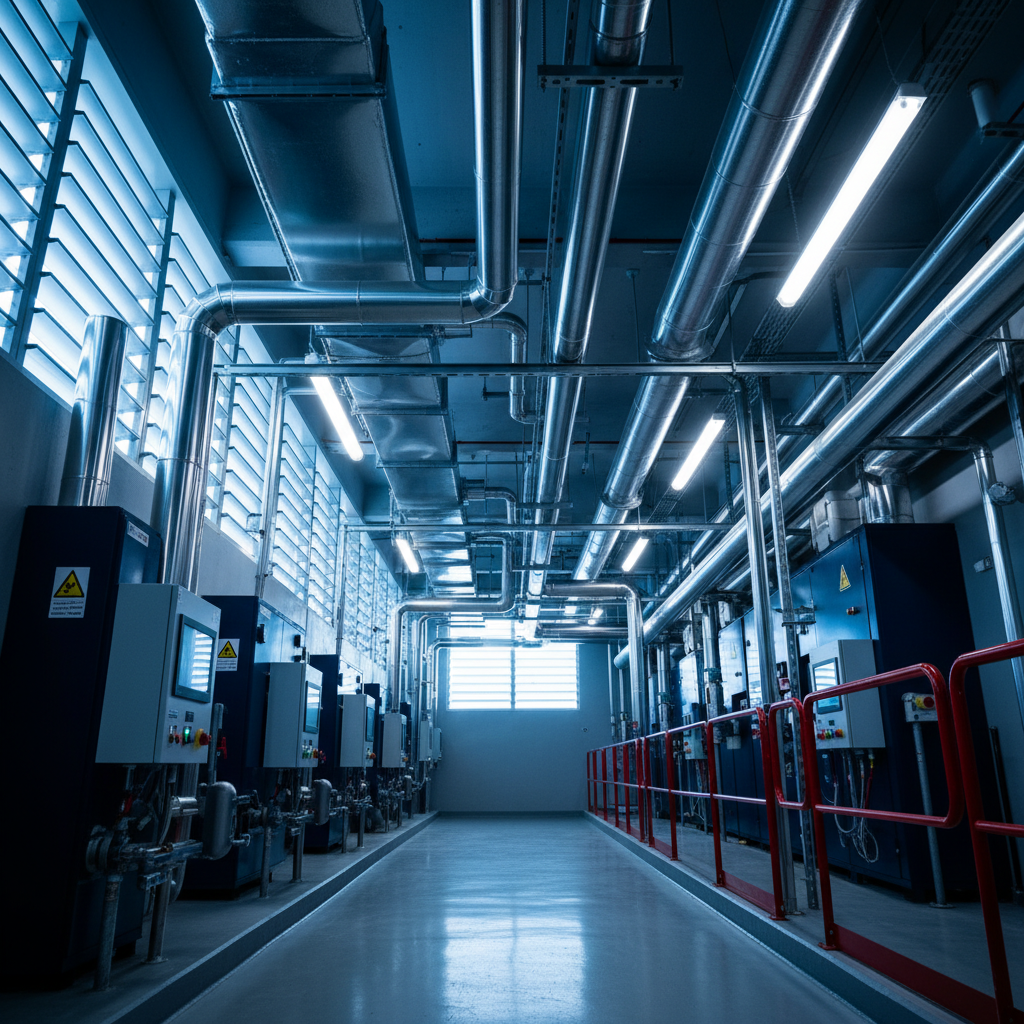
The best HVAC systems UK businesses choose today must handle tomorrow's regulations. By 2027, new F-Gas restrictions will phase out R410A refrigerants entirely—systems installed now with R32 or R454B will avoid costly retrofits. Heat pump mandates for new builds arrive in 2025, making early adoption commercially smart.
AI integration is shifting from luxury to necessity. Predictive maintenance algorithms already cut breakdown risk by 60% in our Birmingham installations. Smart sensors detect refrigerant leaks within hours, not months, preventing £15,000+ emergency replacements and keeping you legally compliant.
The commercial advantage? Buildings with future-ready HVAC see 8-12% higher valuations. Tenants increasingly demand EPC A-rated spaces—your system choice today determines your asset's competitiveness for the next 15 years. For more on EPC requirements, see the official government guidance on Energy Performance Certificates.
After 24+ years from apprentice to MD, my recommendation is clear: Mitsubishi Electric VRF systems deliver the best balance of efficiency, reliability, and ROI for UK commercial properties. The 35% energy savings and precise zoning control make the £15,000+ investment pay for itself within four years—while keeping you SFG20 compliant.
For immediate action: audit your current system's energy drift, check your F-Gas compliance certificates, and calculate your actual cost per breakdown. If you're spending more than 20% of your maintenance budget on emergency repairs, your strategy needs urgent attention.
Don't wait for the next heatwave to expose your building's vulnerabilities. The best HVAC systems UK commercial properties rely on aren't just about specifications—they're about protecting your people, your assets, and your bottom line through every season.
Stuart's Final Word: Planned Preventative Maintenance isn't a cost—it's insurance against the chaos of reactive management. Choose systems that work with your business, not against it.
The best HVAC systems for UK commercial properties must deliver high energy efficiency (ERP A+++ with SEER/SCOP above 4.0), comply with Building Regulations Part L, operate quietly below 40dB, and provide a solid return on investment within 3-5 years. These factors ensure reliable performance, occupant comfort, and long-term cost-effectiveness.
Energy-efficient HVAC systems reduce utility bills by optimising energy use, often delivering 15-30% savings, while meeting UK regulatory requirements like Part L of Building Regulations. This dual benefit lowers operational costs and avoids penalties or legal risks associated with non-compliance.
VRF and heat pump technologies offer superior energy efficiency, precise temperature control, and lower carbon emissions compared to traditional HVAC systems. They adapt well to the UK climate, reduce running costs, and support sustainability goals without compromising comfort or reliability.
Regular maintenance aligned with SFG20 standards identifies and addresses issues before they escalate, ensuring system reliability and legal compliance. This proactive approach minimises unexpected breakdowns, reduces emergency repair costs, and protects business continuity.